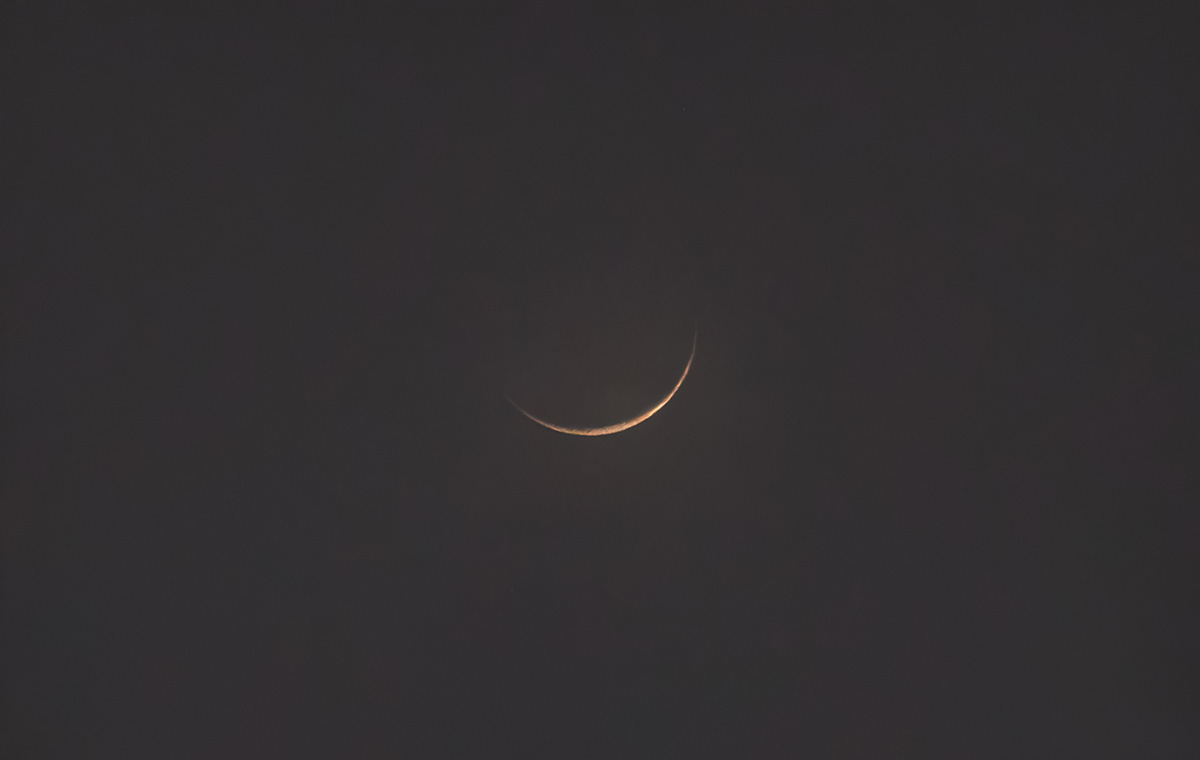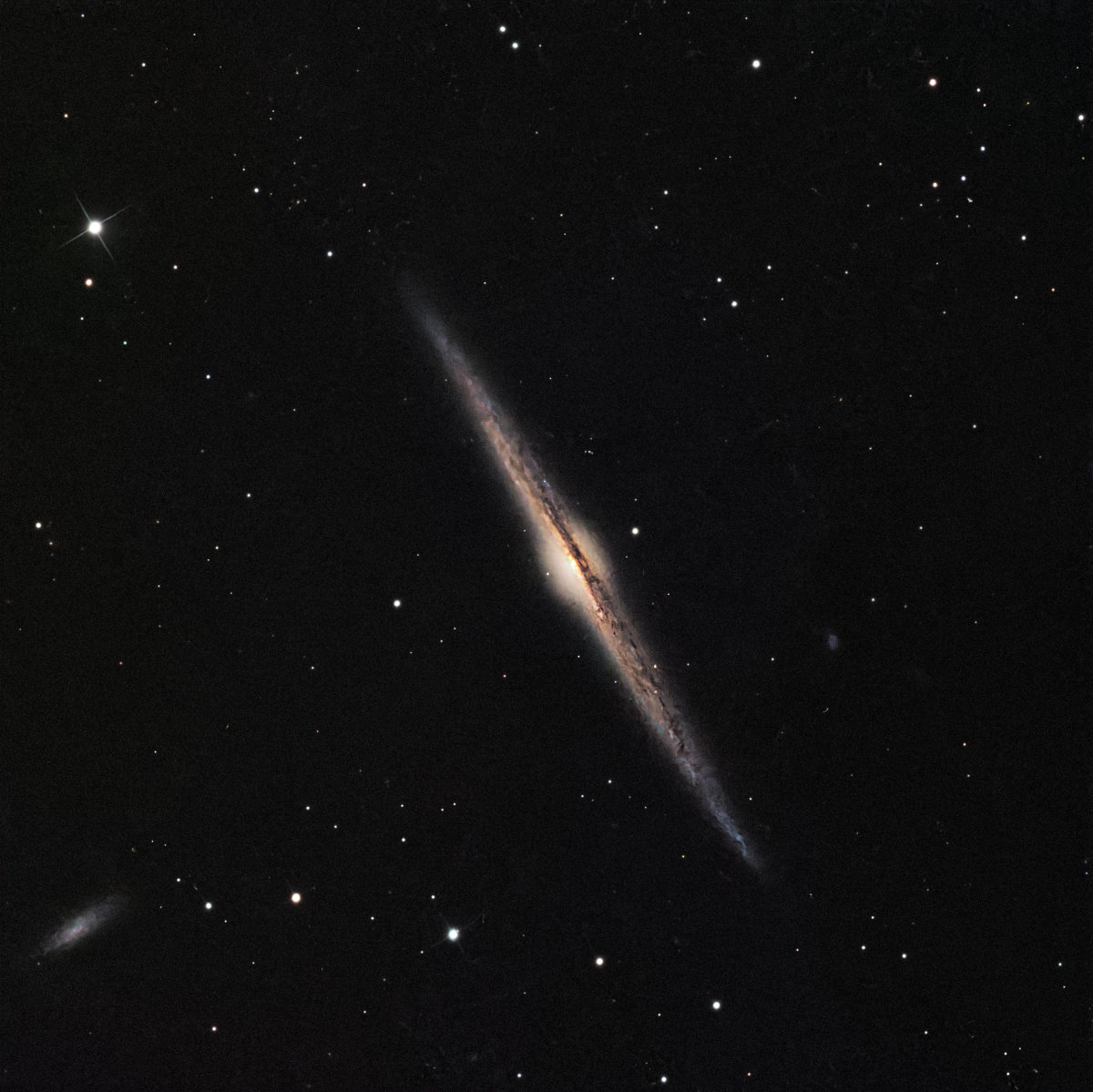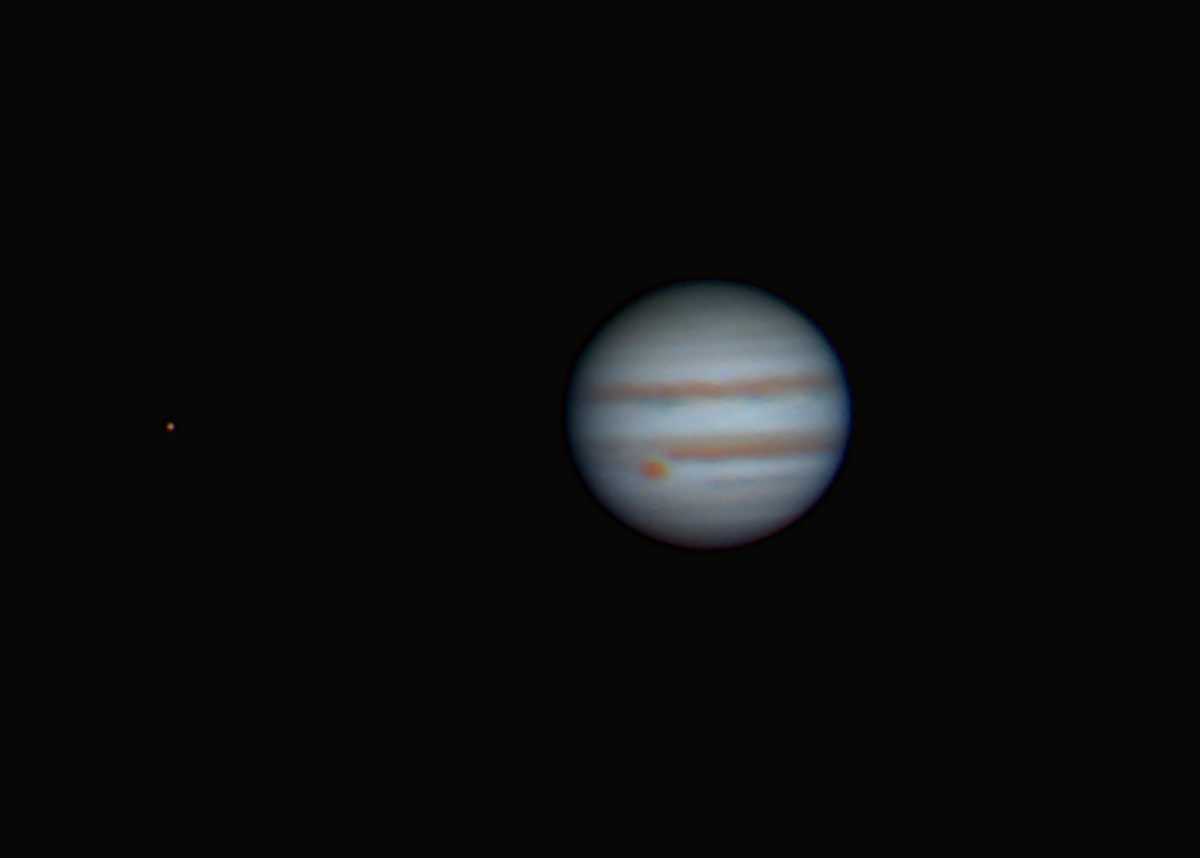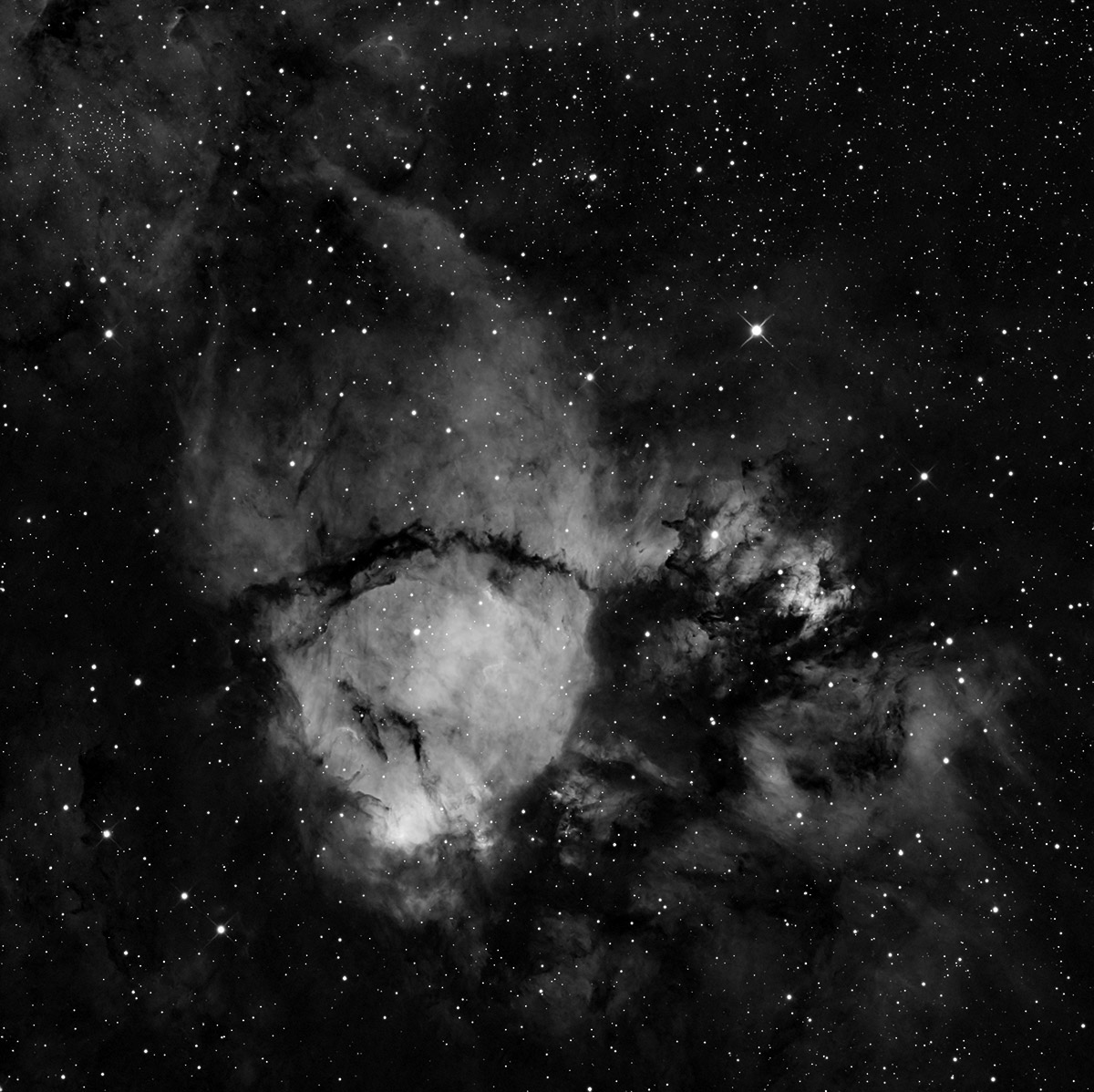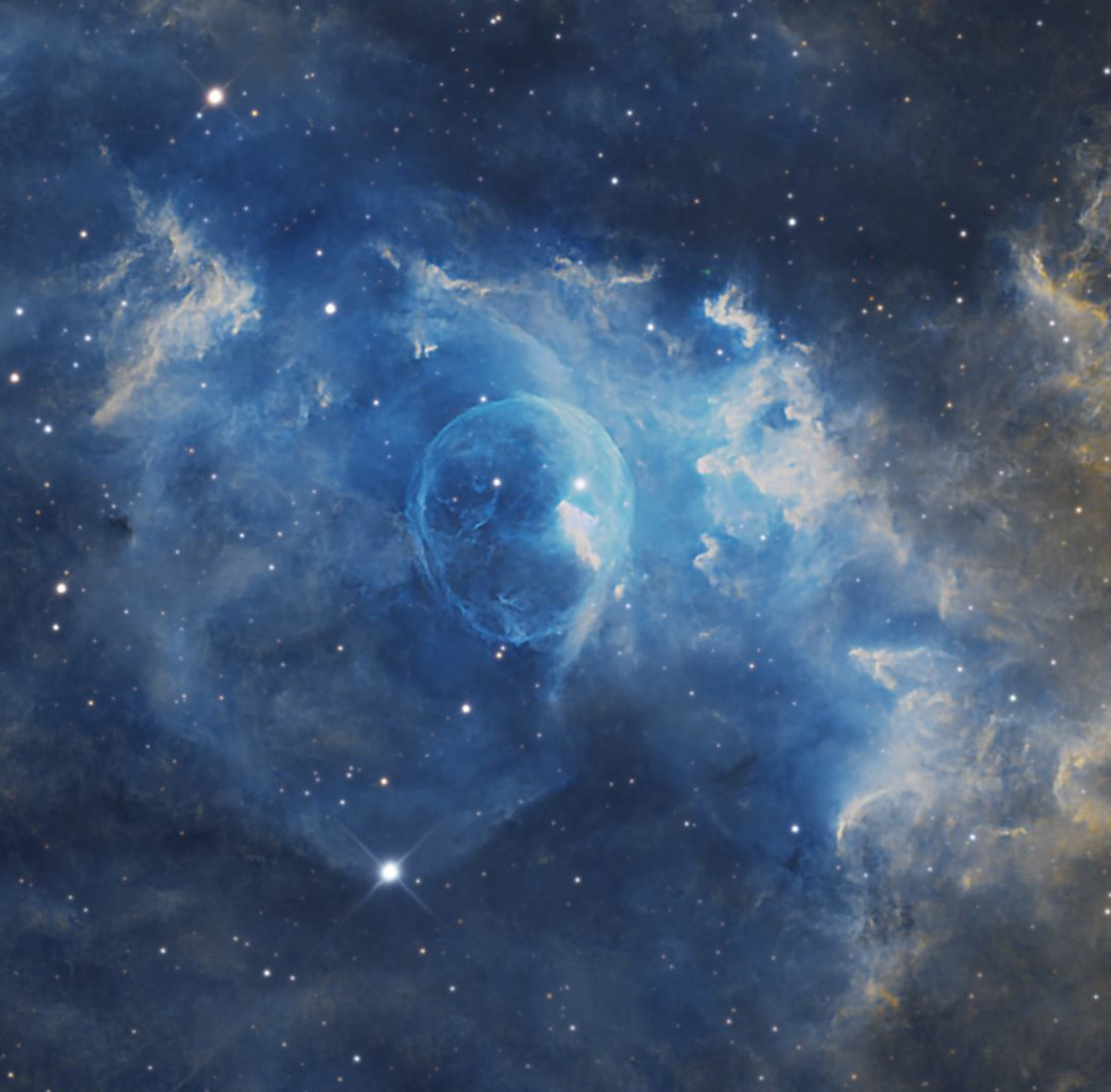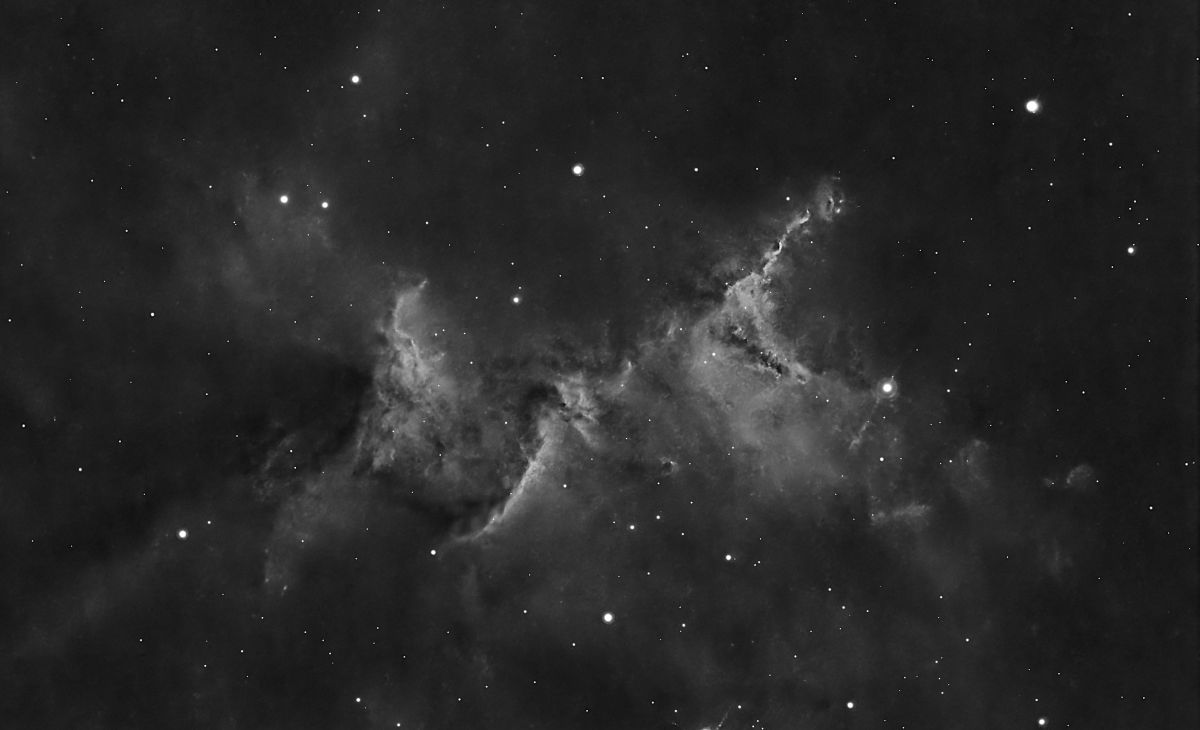
Melotte 15 - the heart of the Heart Nebula in Cassiopeia. 2h27m of Hydrogen Alpha at F12 (equivalent of about 40mins in the F4.5 Newtonian). It needs a lot more time and better skies to have the resolution I think it can achieve but I think it’s worth pursuing. The Classical Cassegrain 1836mm F12 + Player One Uranus M uncooled mono camera with 2.9 micron pixels gives an image resolution of 0.33 arc secs per pixel.
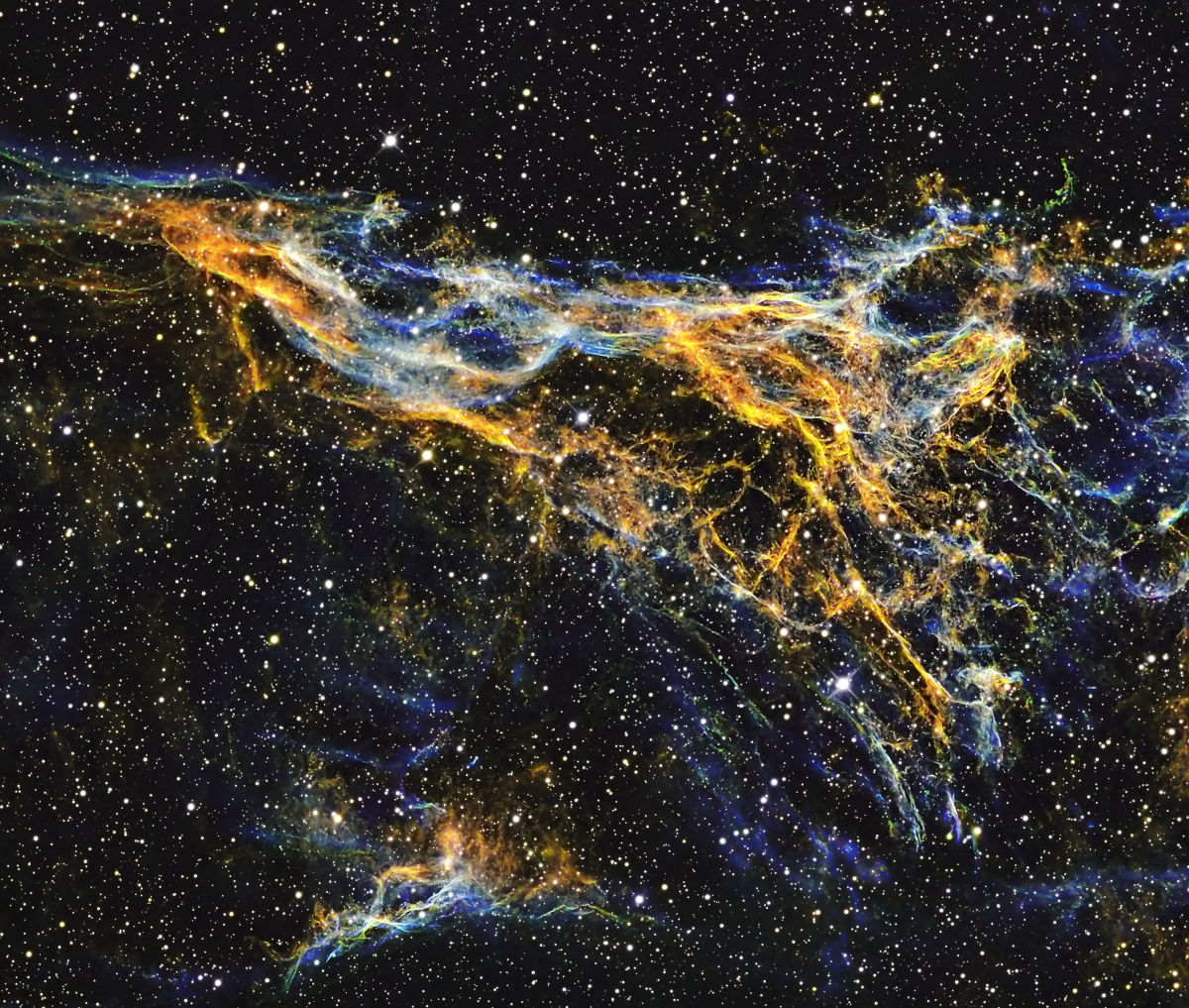
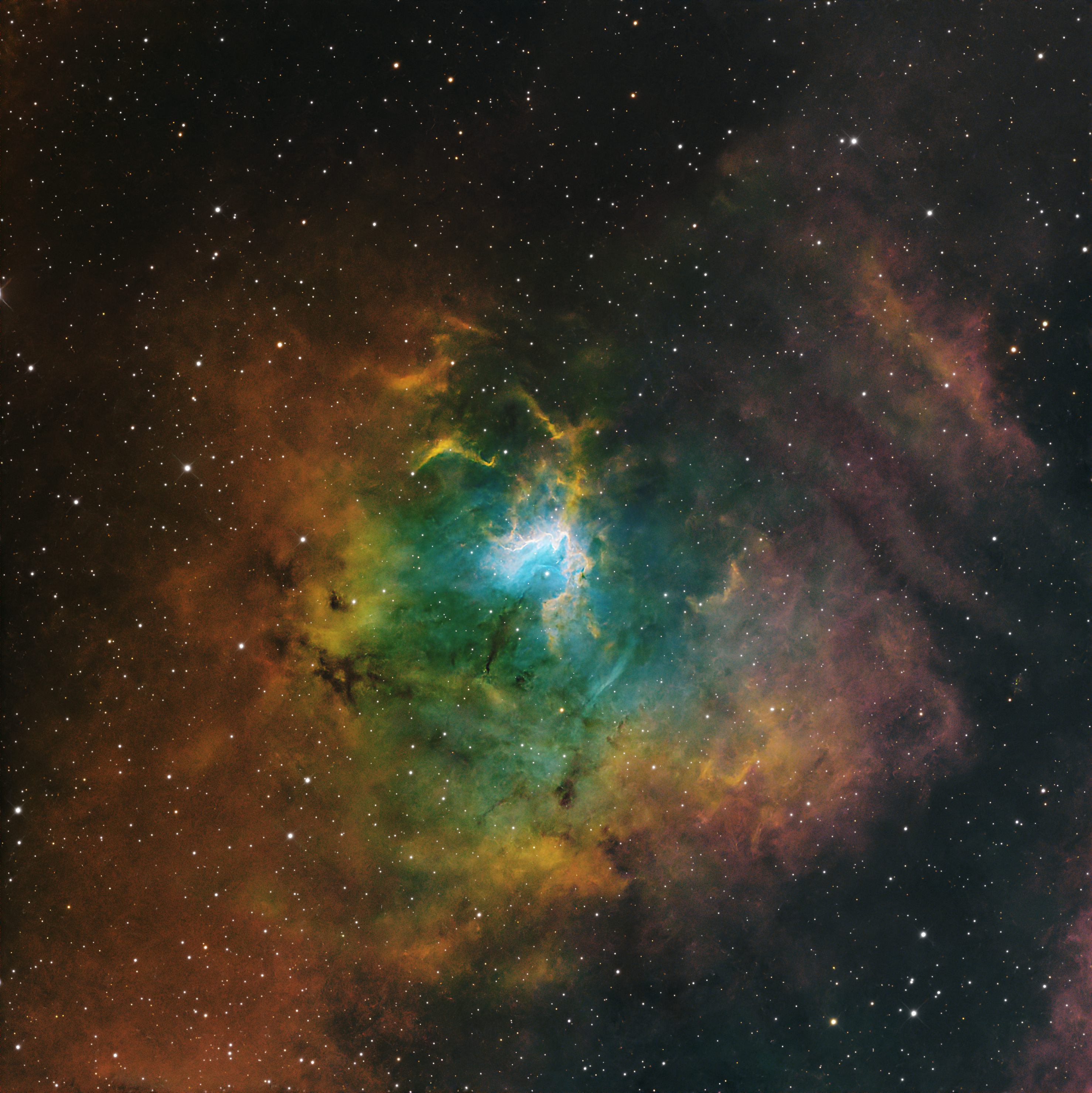
Part of the supernova remnant known as the Cygnus Loop. Imaged last year but just processed in the Hubble palette.
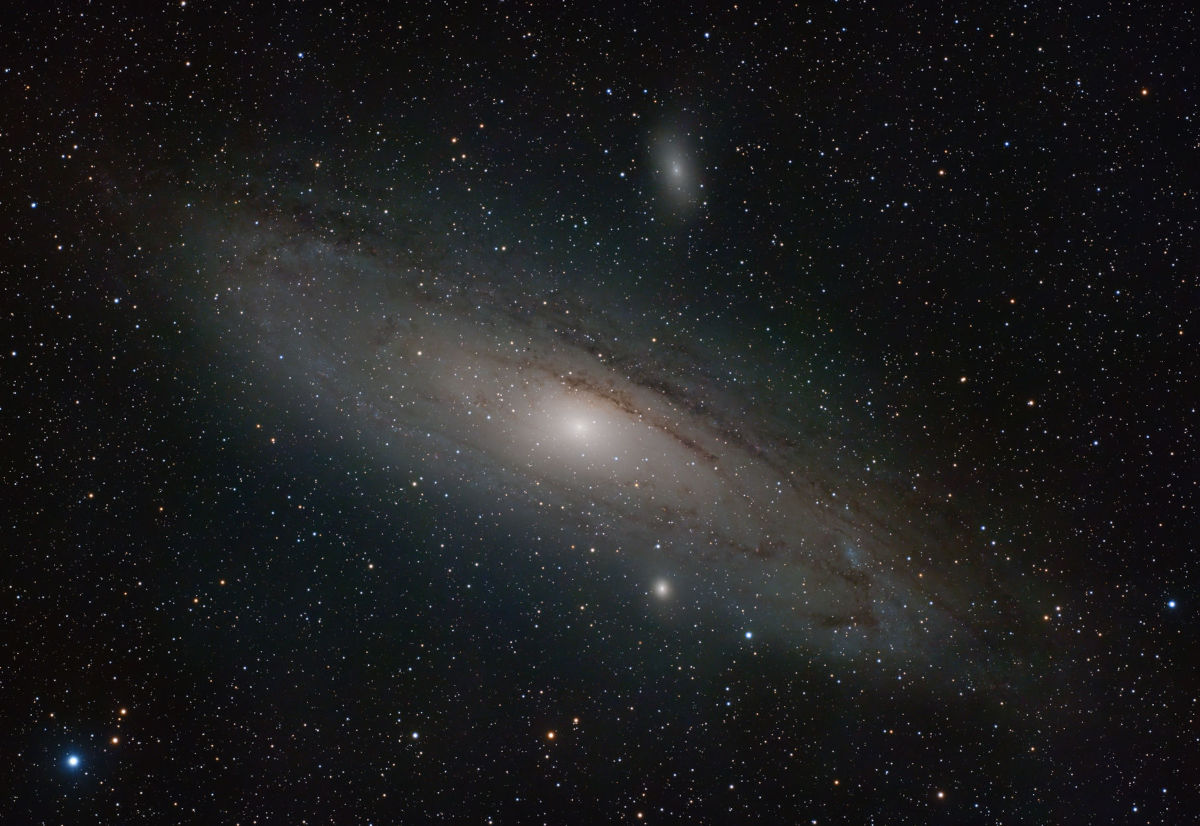
This image is made with equal numbers of short and long exposures, the short exposures made specifically to retain more detail in the bright core of the galaxy which gets blown out in normal imaging. The two sets of frames were combined using HDR Composition in PixInsight.
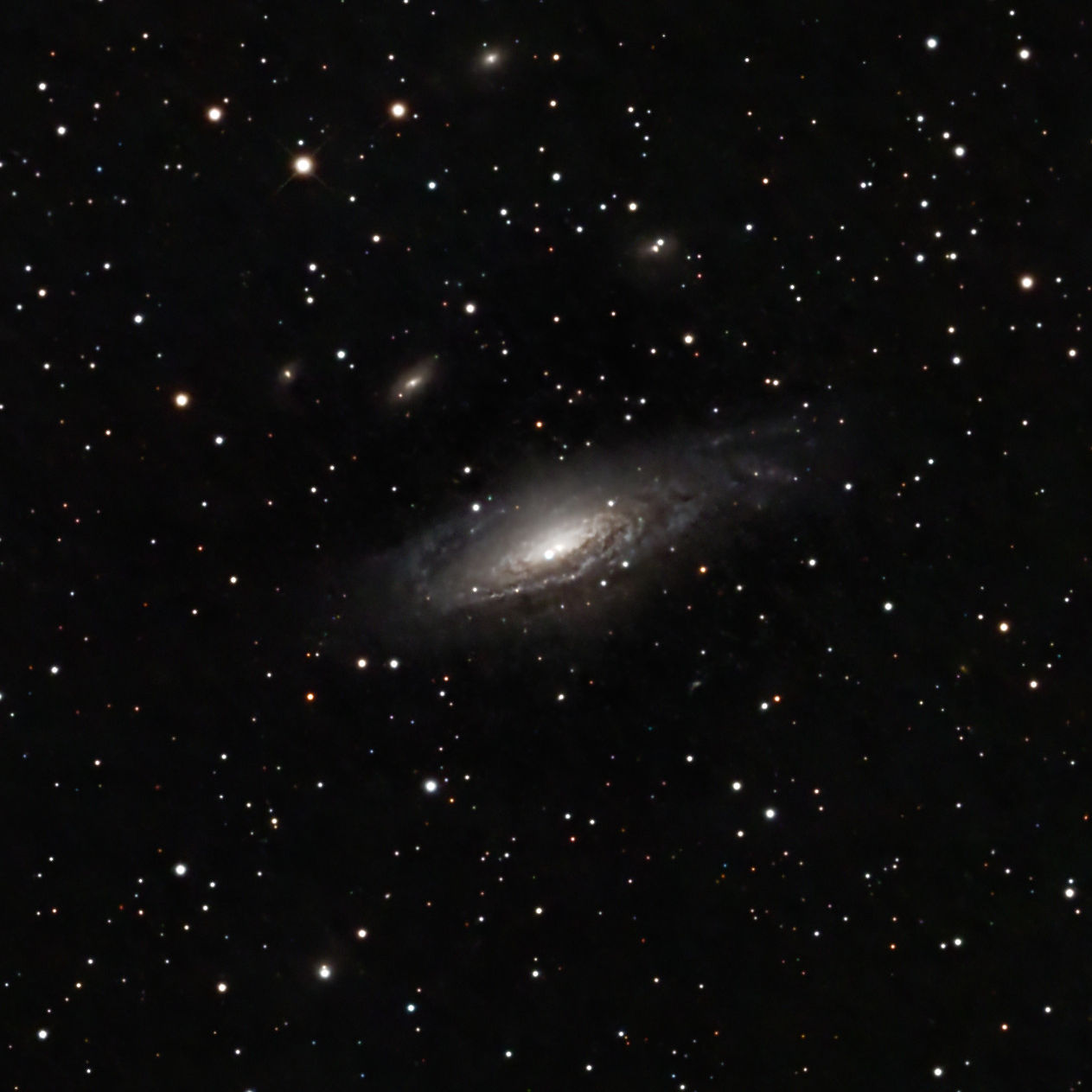
The bright supernova is visible adjacent to the bright core of galaxy NGC7331 40,000,000 light-years away.
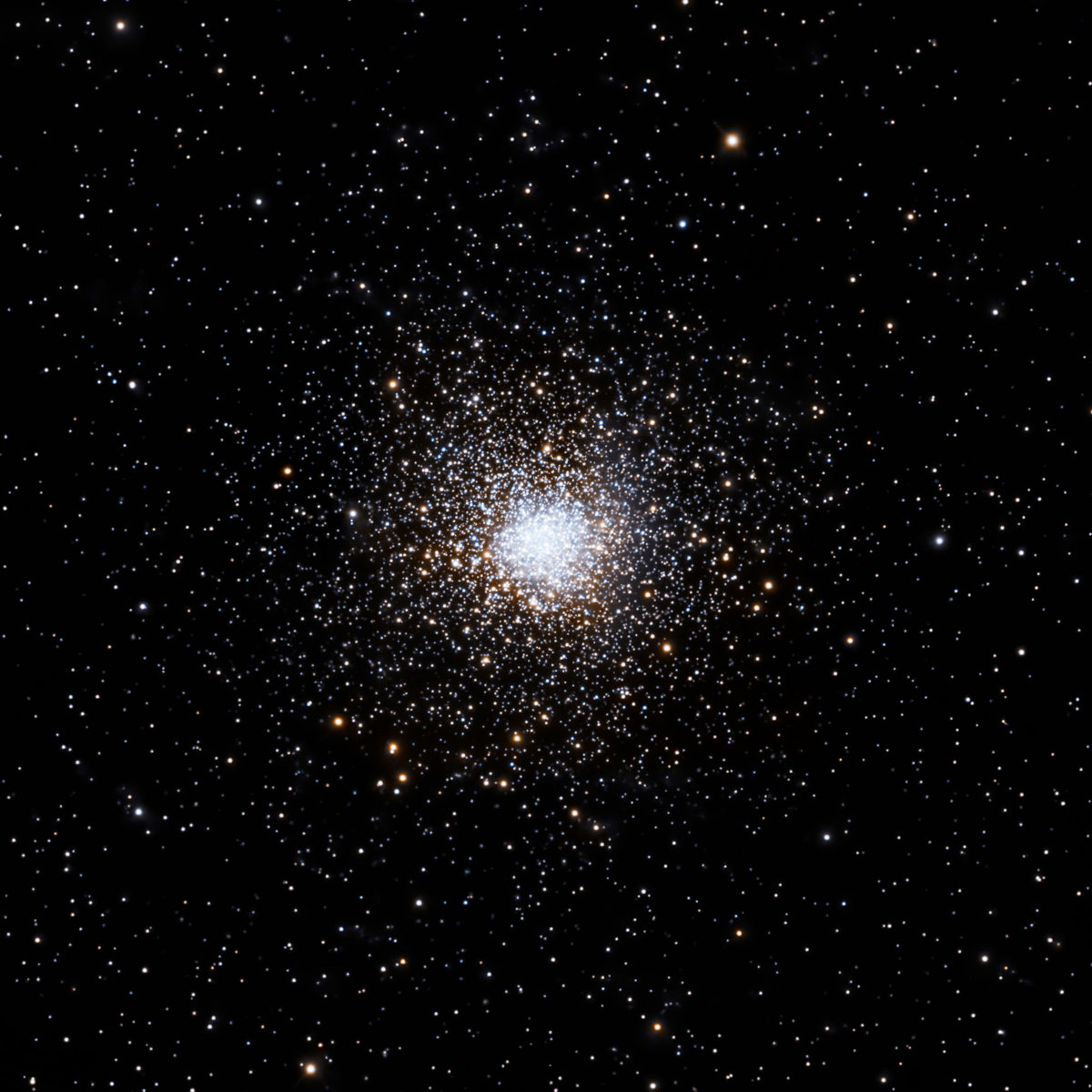
Messier 10 is a very low target from 52°N and one which I had never considered photographing. The poor visibility is made worse by the poor southern horizon here. However, the short integration time has produced a remarkably good image of this beautiful globular cluster, helped by the stable sky this evening. This was really an experiment to check the collimation of the CT8 which turned out better than expected!
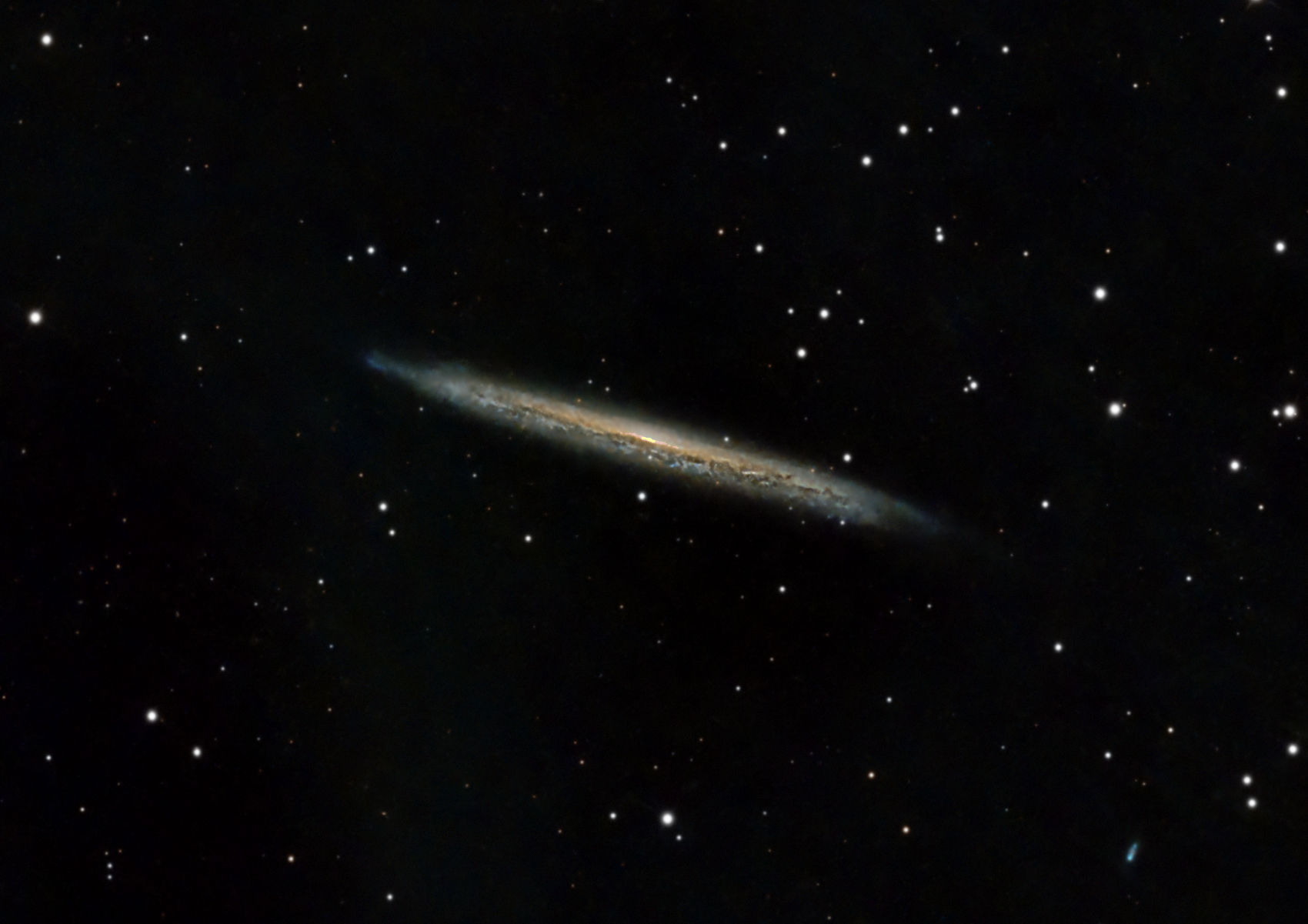
Imaged in May, the Splinter Galaxy showed no signs of the tidal tail which probably needs darker skies than I have here in Coventry to be photographically visible.
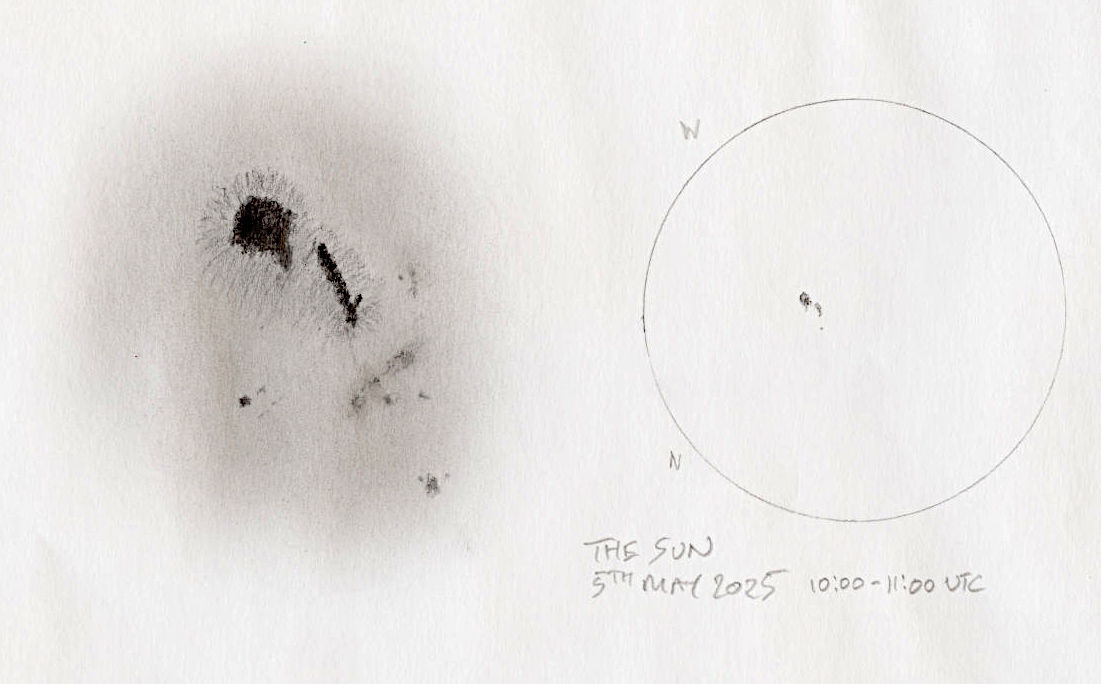
The sunspot group 4079 was so large that it was visible to the naked-eye (when viewed through eclipse glasses). In a telescope the elements were clearly visible. Due to the vagaries of the atmosphere and frequent clouds, sketching was a superior (and far more enjoyable) way to record this compared to photography.
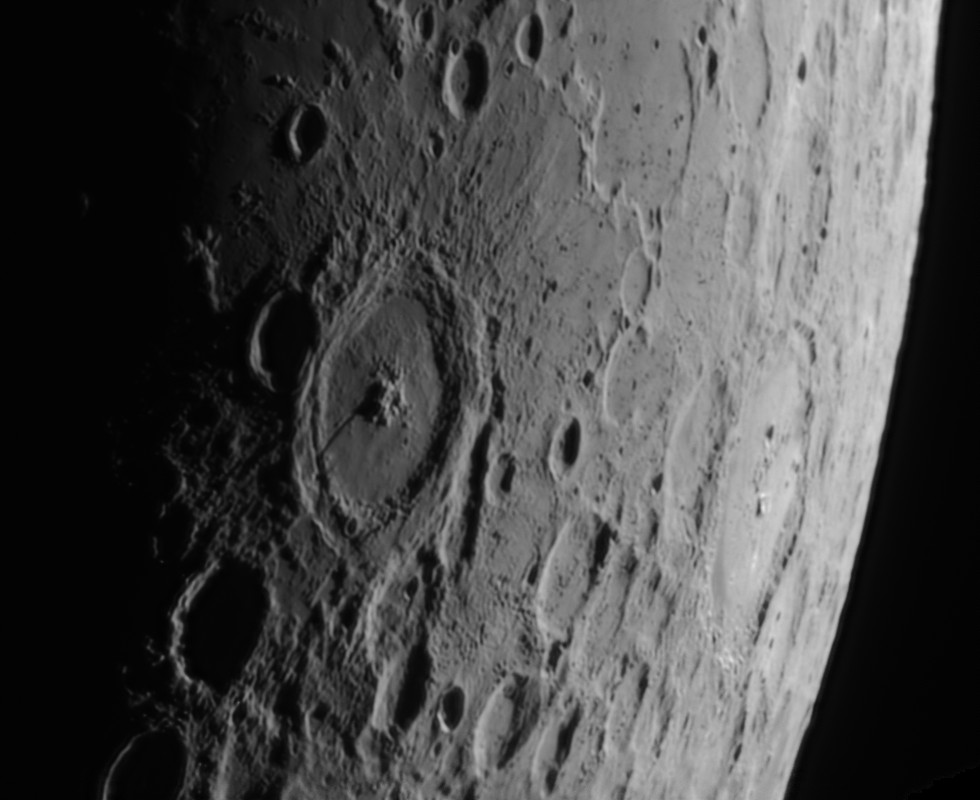
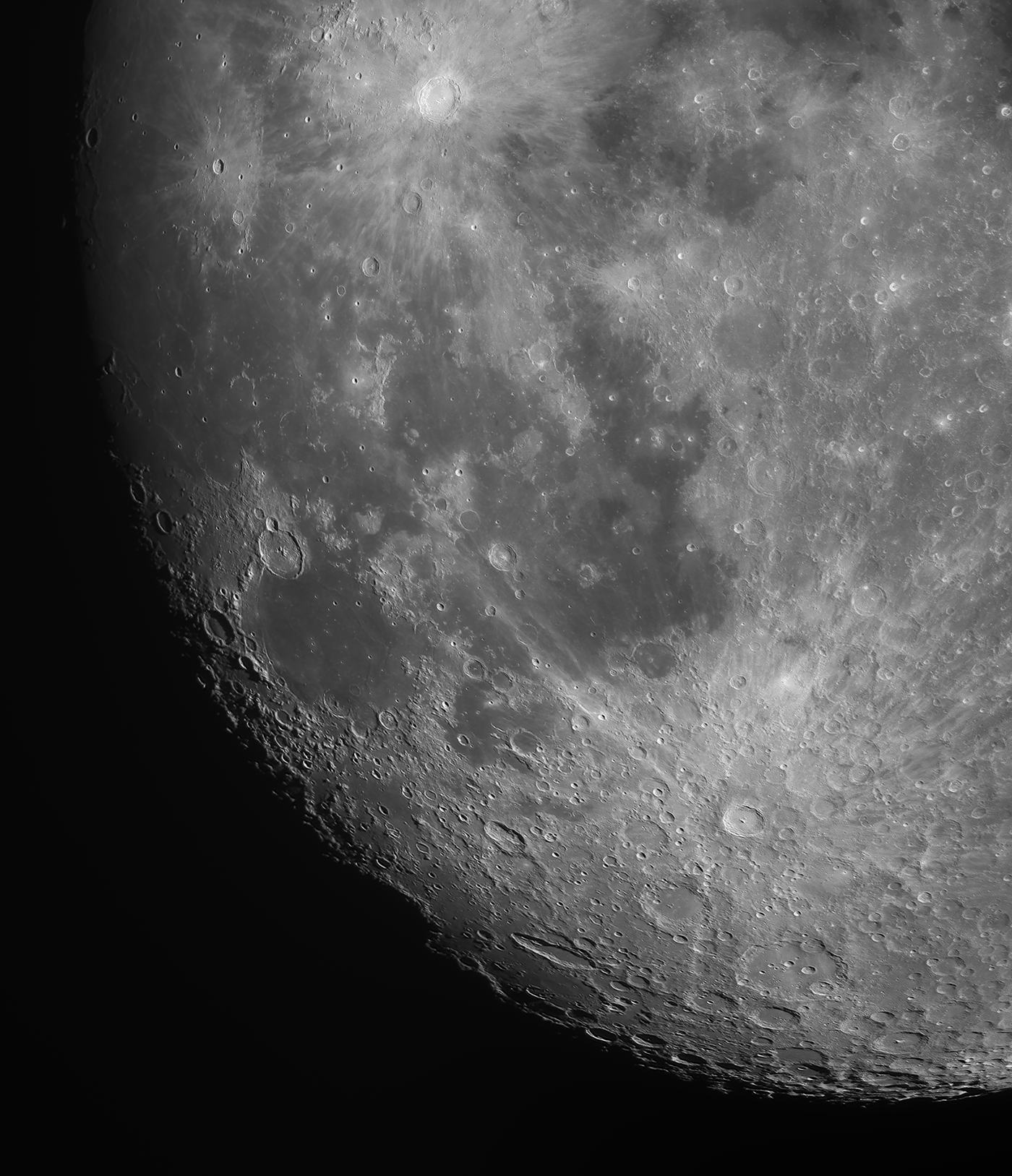
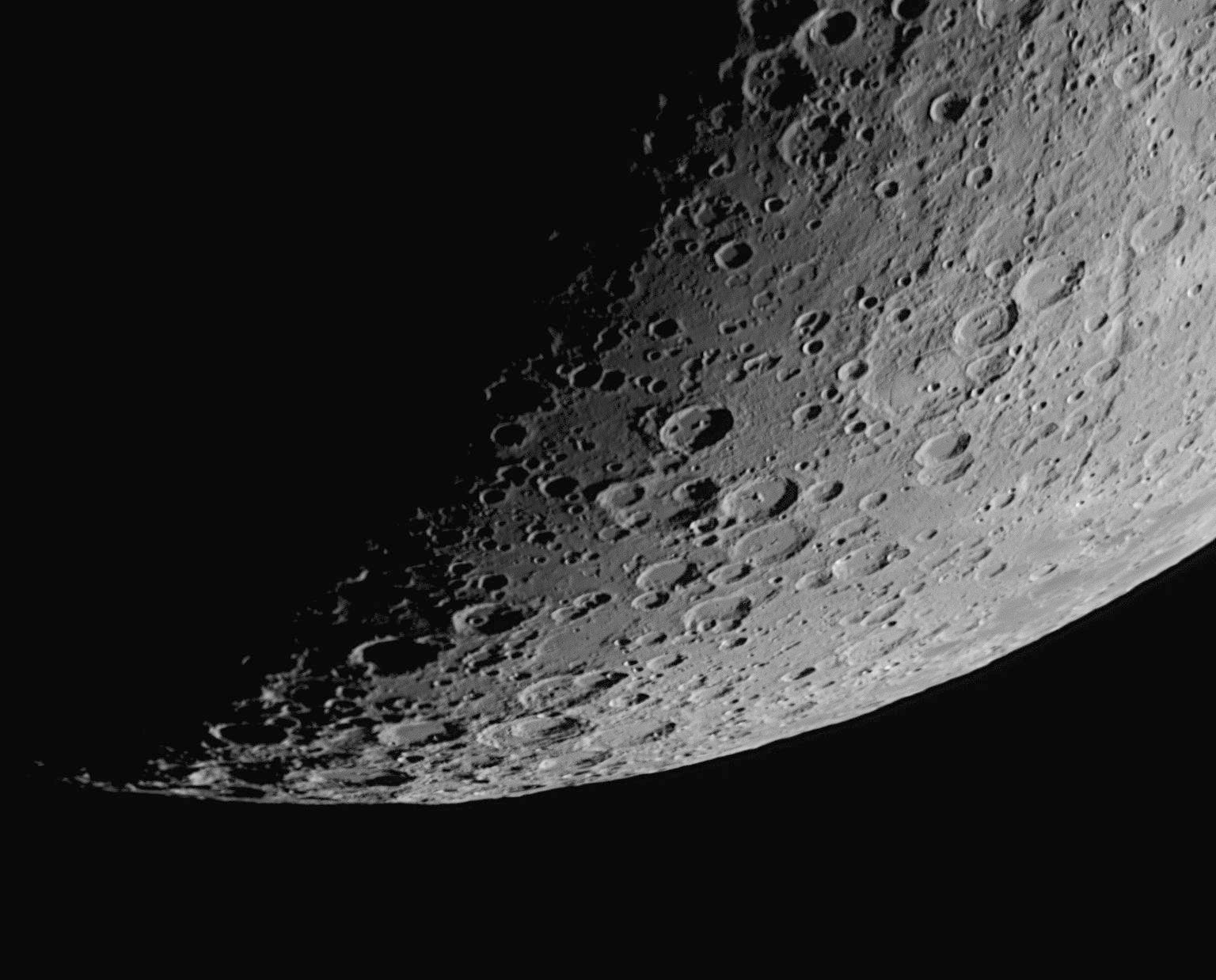
The month of April has presented numerous opportunities for high-resolution imaging of the Moon. Here the Patavius Rille can been seen clearly in the low sunlight running from the central peak to the edge of the crater itself.
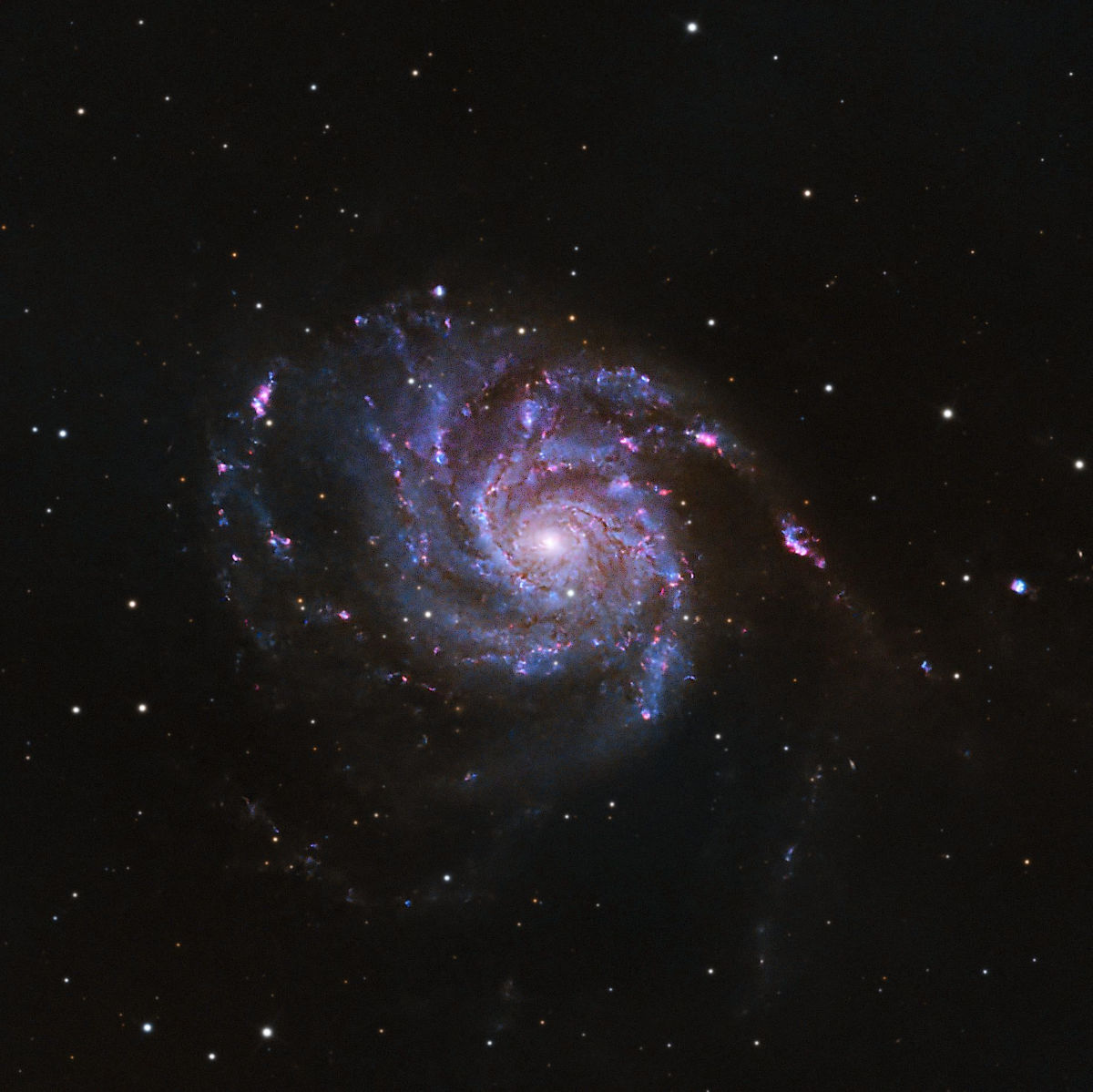
Continuing what has been an incredible galaxy season weather-wise with another version of a large galaxy. Again I decided to reimage this in monochrome with additional weighting for the Hydrogen Alpha channel to highlight the star-forming regions.
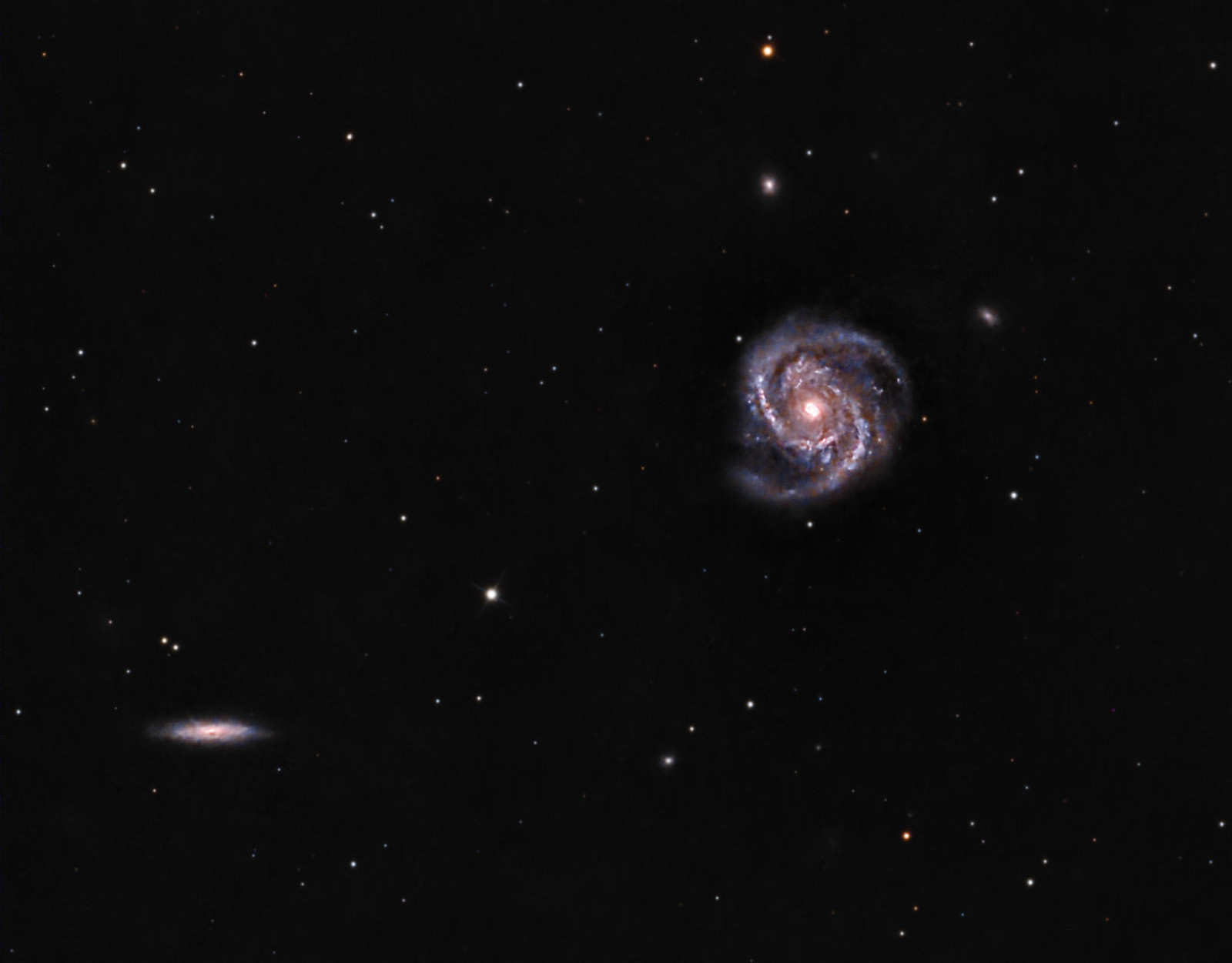
This beautiful face-on spiral galaxy is situated approximately 54m light-years from our Milky Way in Coma Berenices on the outer edge of the Virgo cluster of galaxies. Also visible are NGC4312 (bottom left) and NGC4322 and NGC4328 (above and to the right).
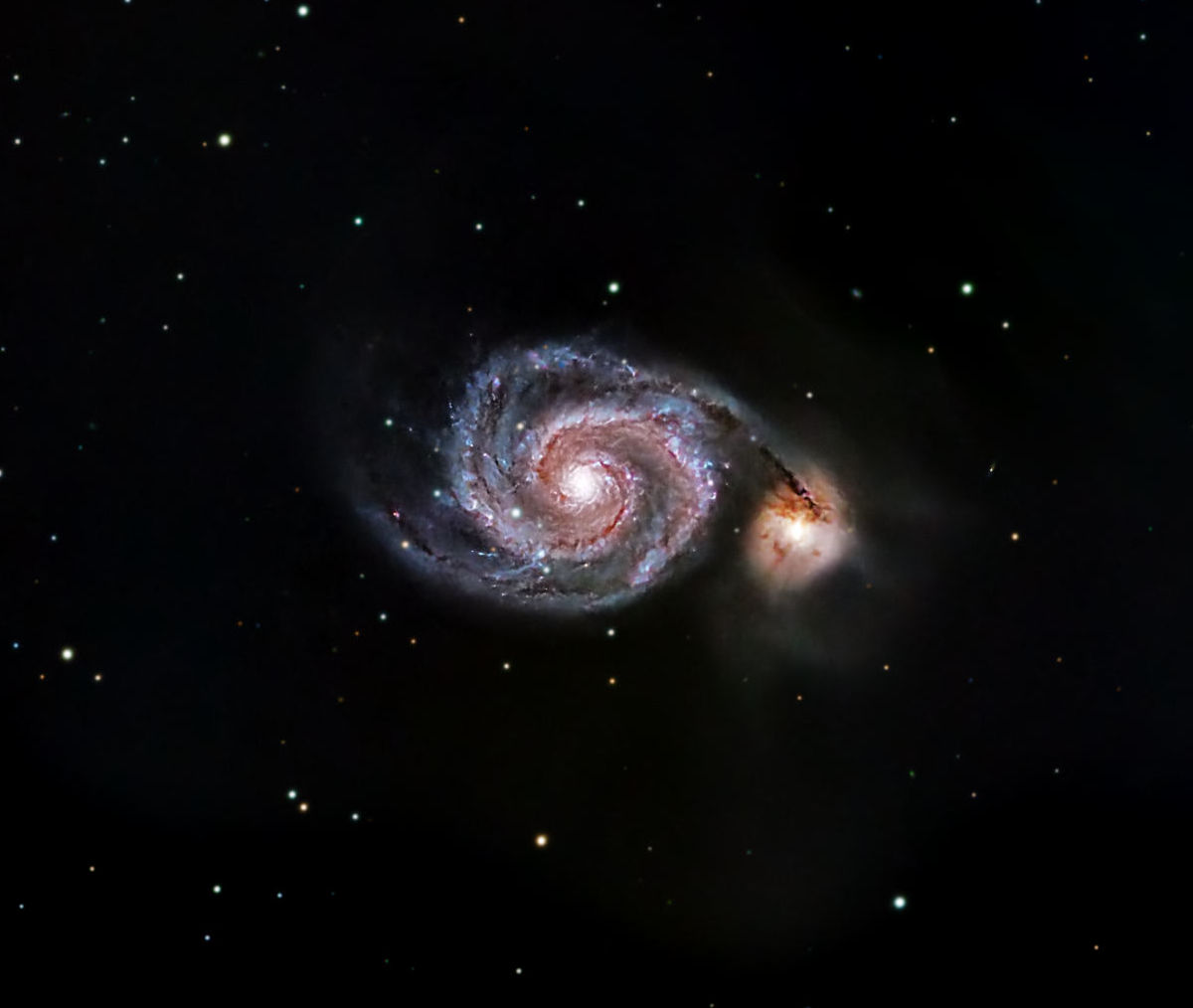
Possibly the most beautiful galaxy visible in the Northern hemisphere. I decided to reimage this in monochrome with additional weighting for the Hydrogen Alpha channel to highlight the star-forming regions.