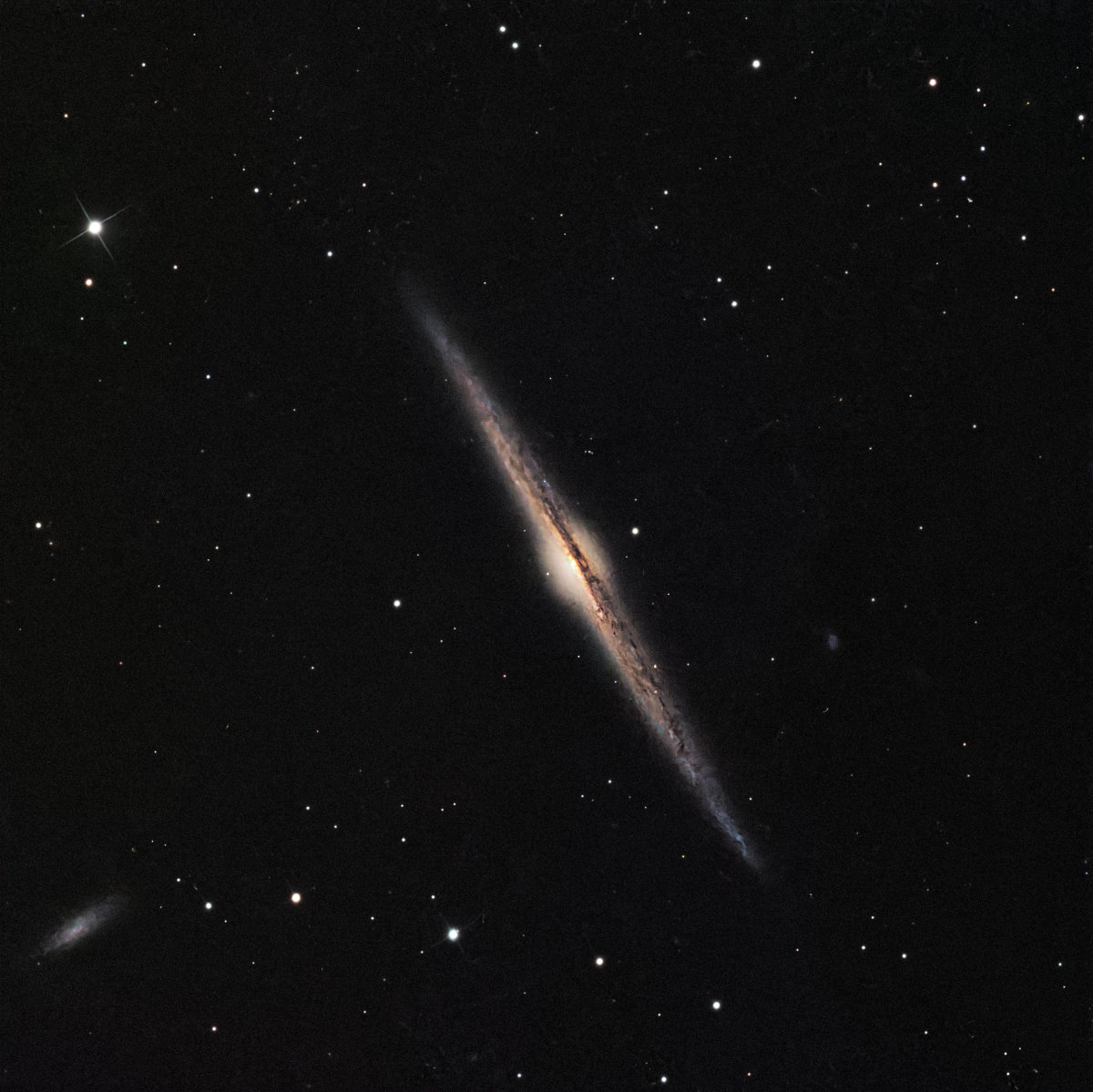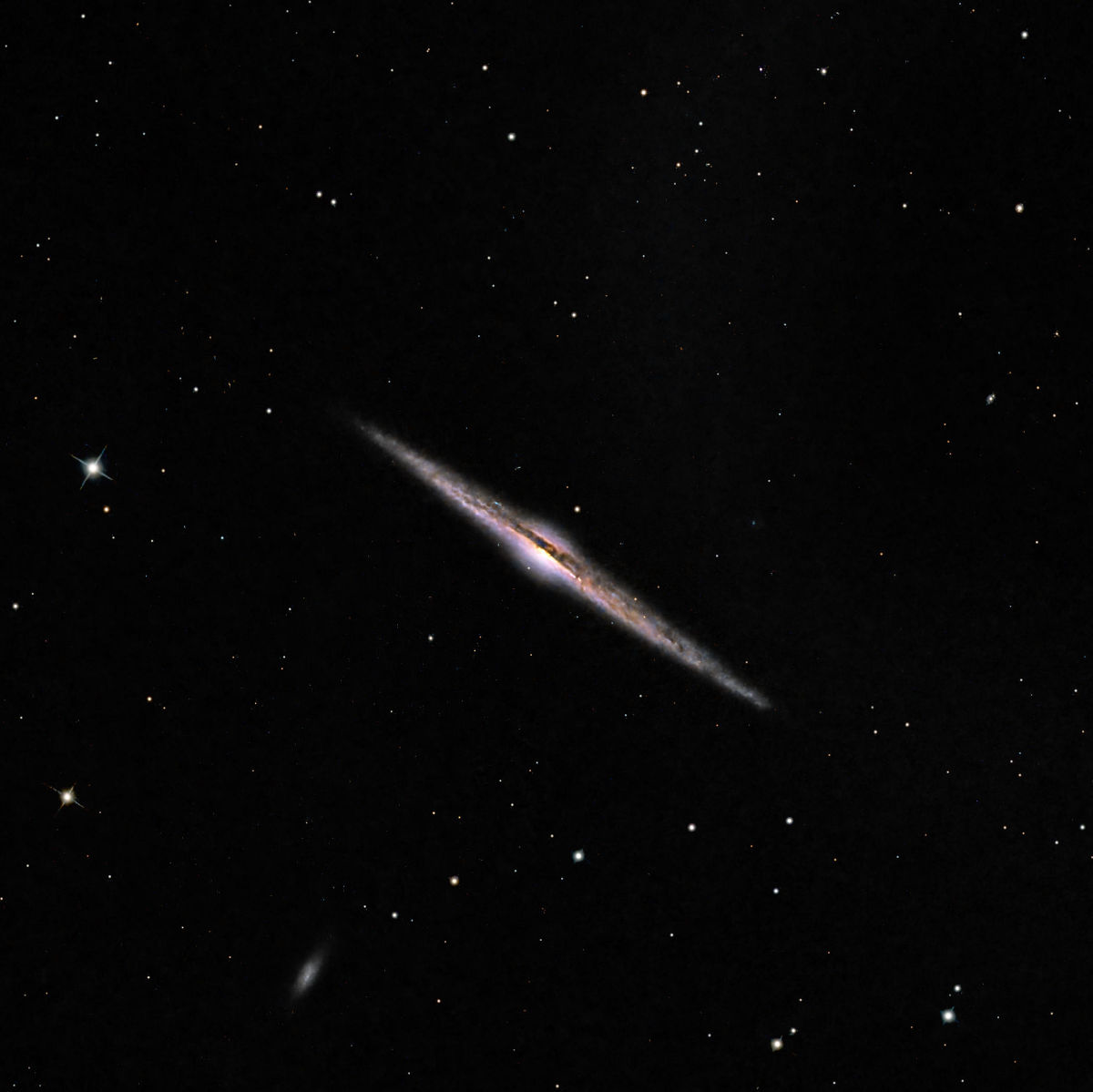
Spring is the optimum time to observe this beautiful edge-on spiral galaxy. It is situated approximately 40m light-years from our Milky Way and measures 100,000 light-years from end to end. This evening the sky was remarkably transparent and stable which gave good guiding and generally excellent image quality. It is surprising how little integration time has given a worthwhile image (the HA element is over a quarter of the total time and does not represent a very large visible element in the…
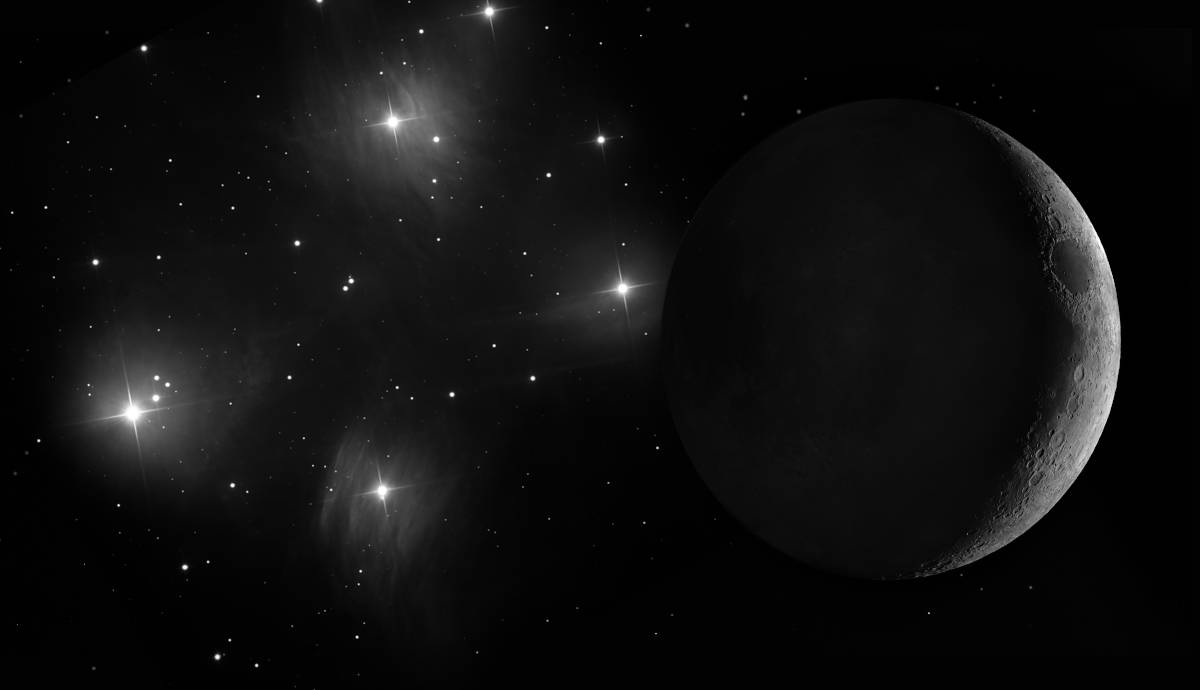
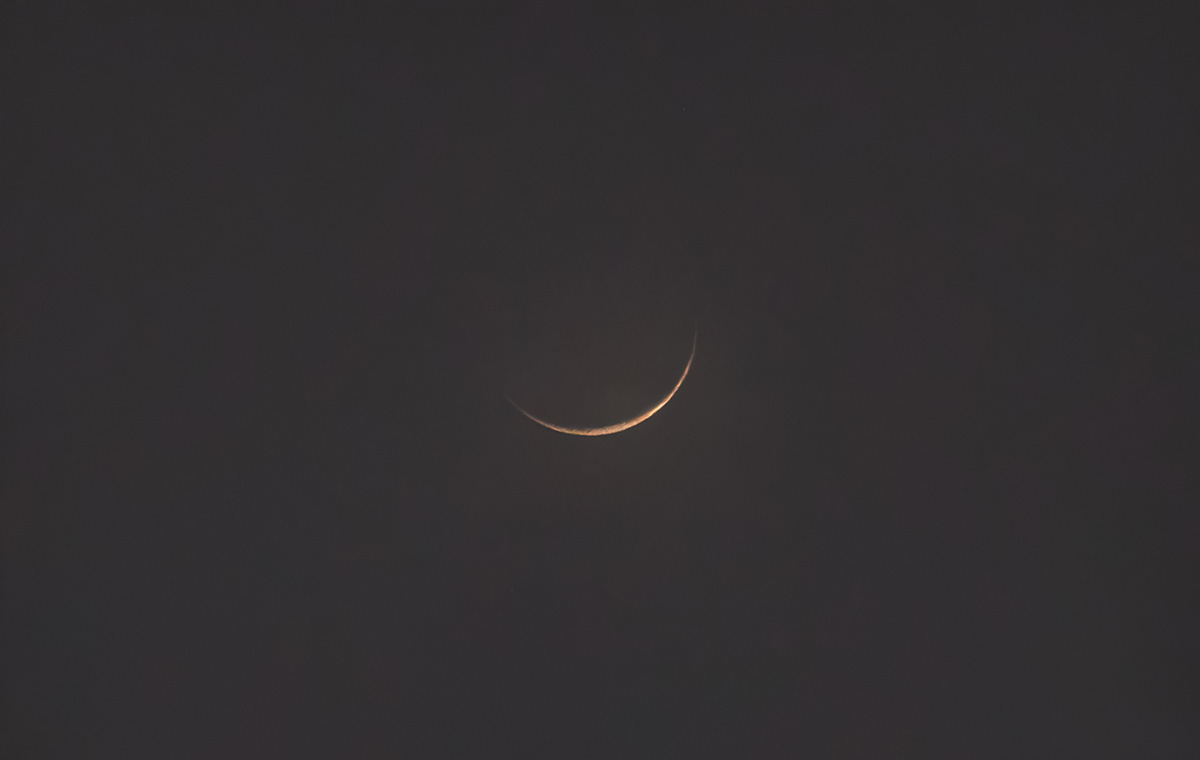
A spectacular conjunction from 1st April 2025.
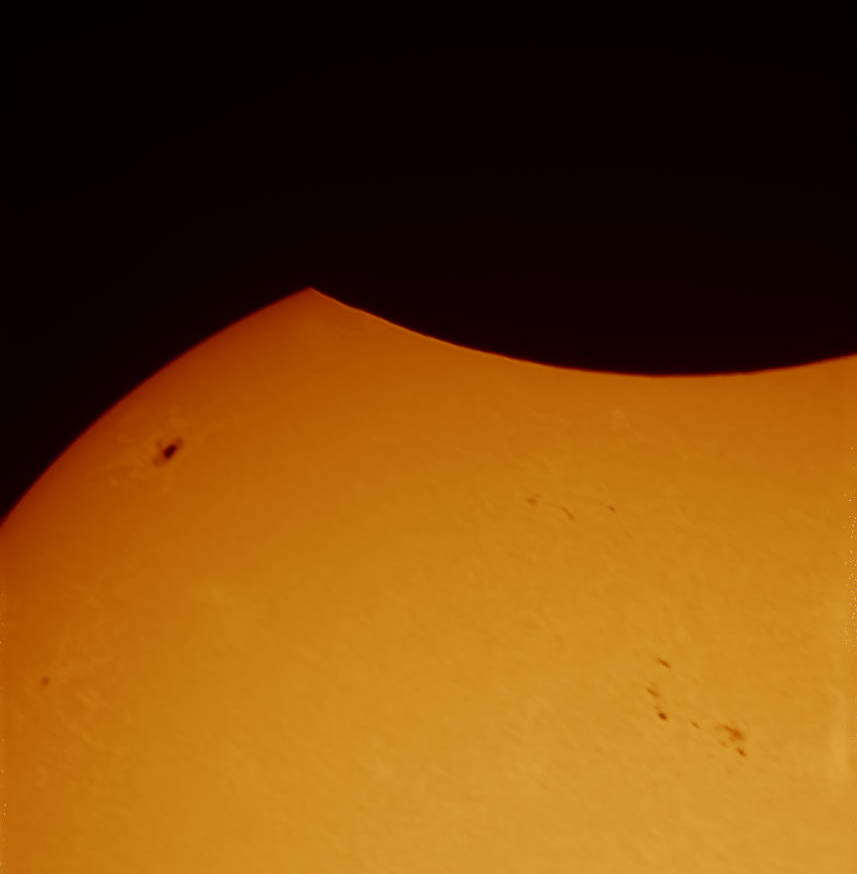
The photo shows the eclipse at 11:53 approximately 15 mins before the Moon’s transit had finished.
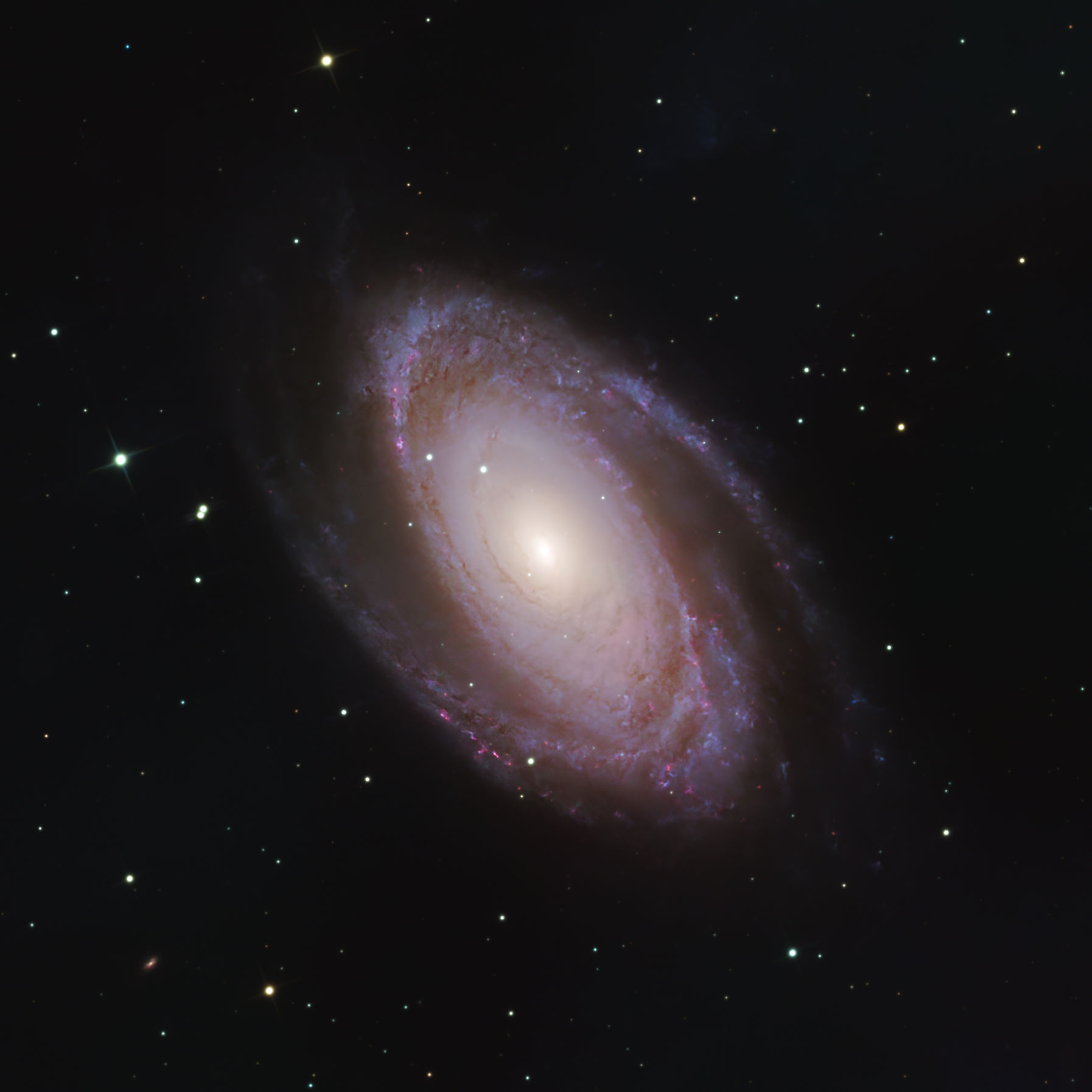
Imaged over the course of three nights where the seeing was the best for several months. M81 was high in the sky thus avoiding (though no totally) the negative effect of the ever-worsening light pollution. I included a lot of time on the Hydrogen Alpha channel to enhance the star-forming regions in the spiral arms.
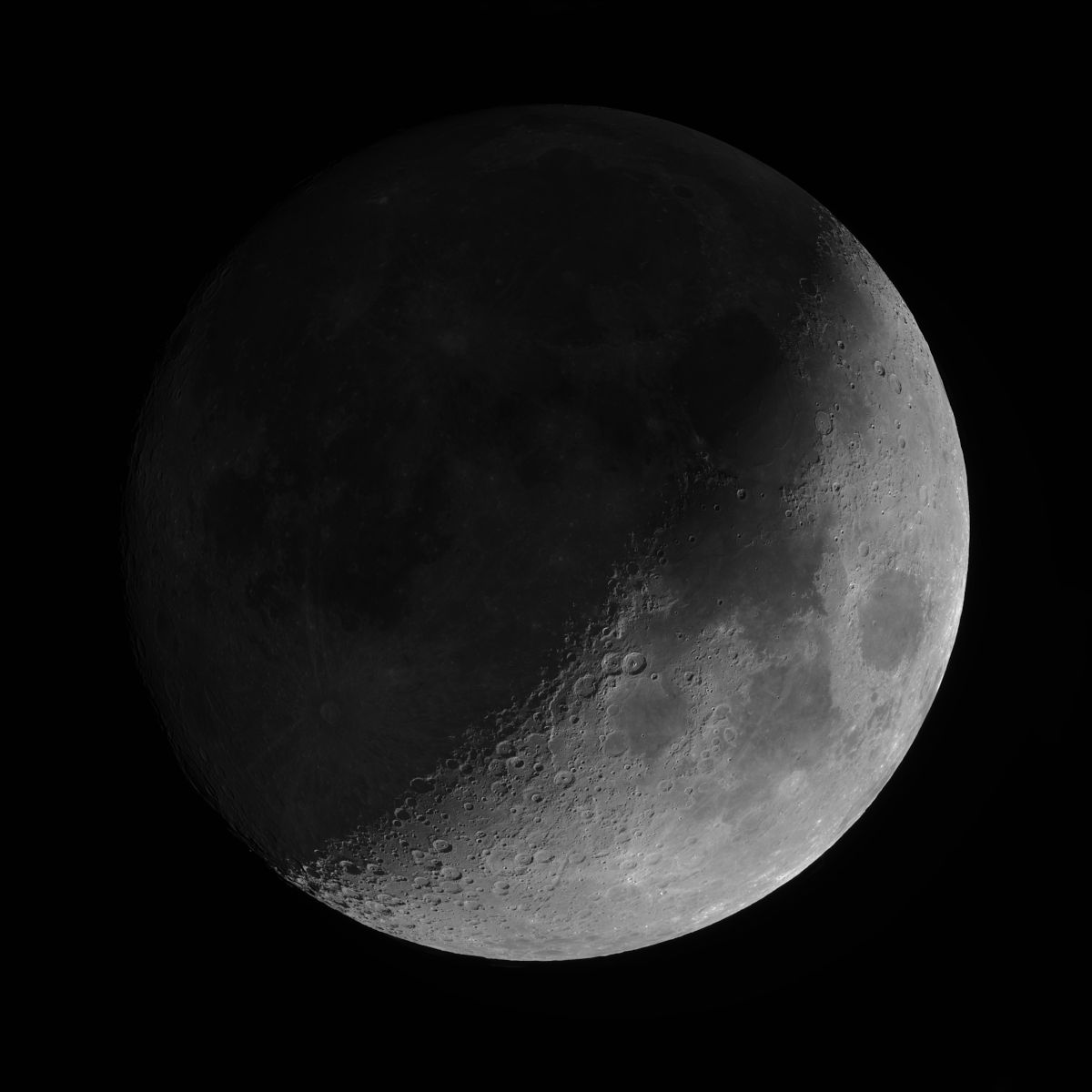
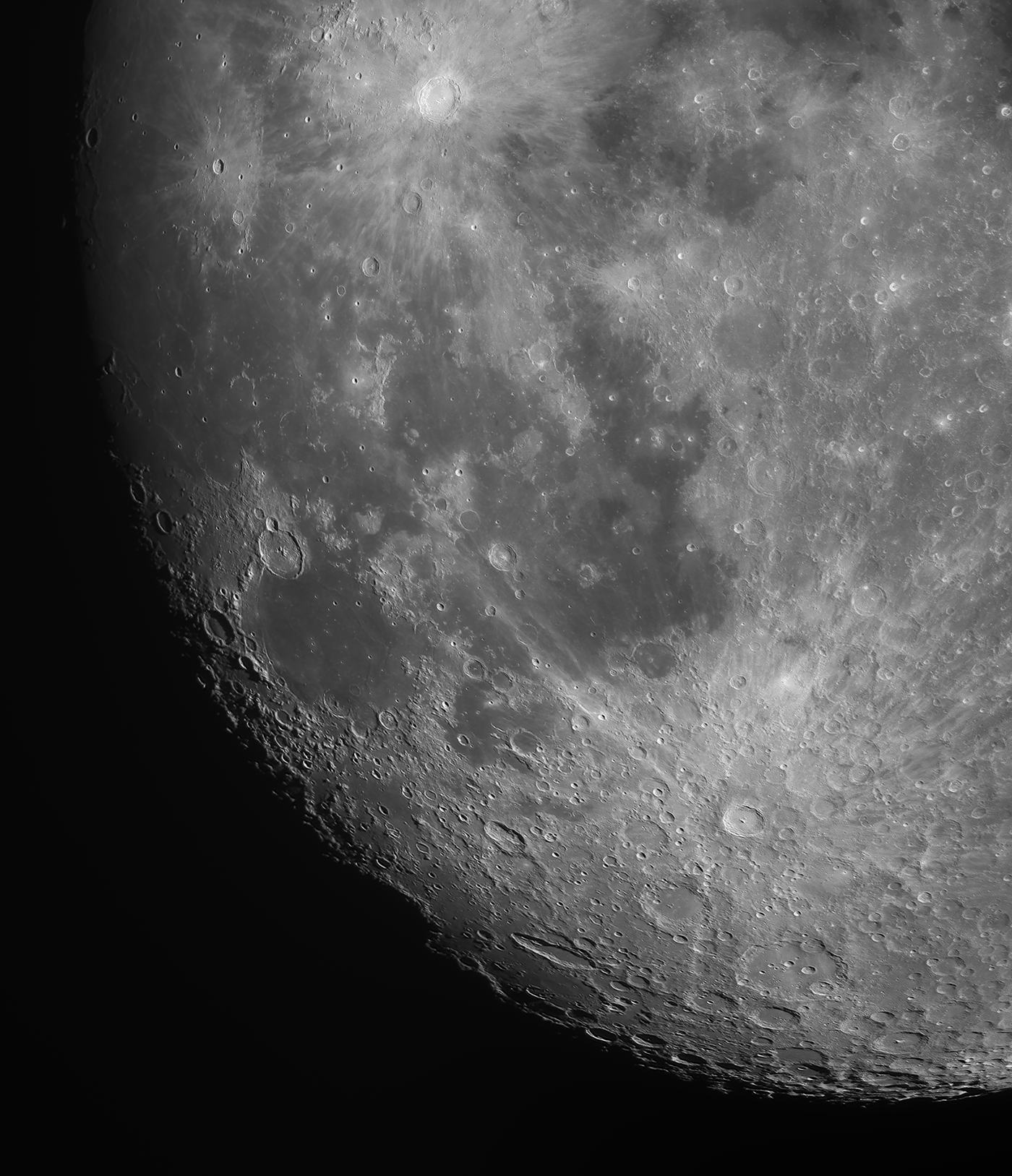
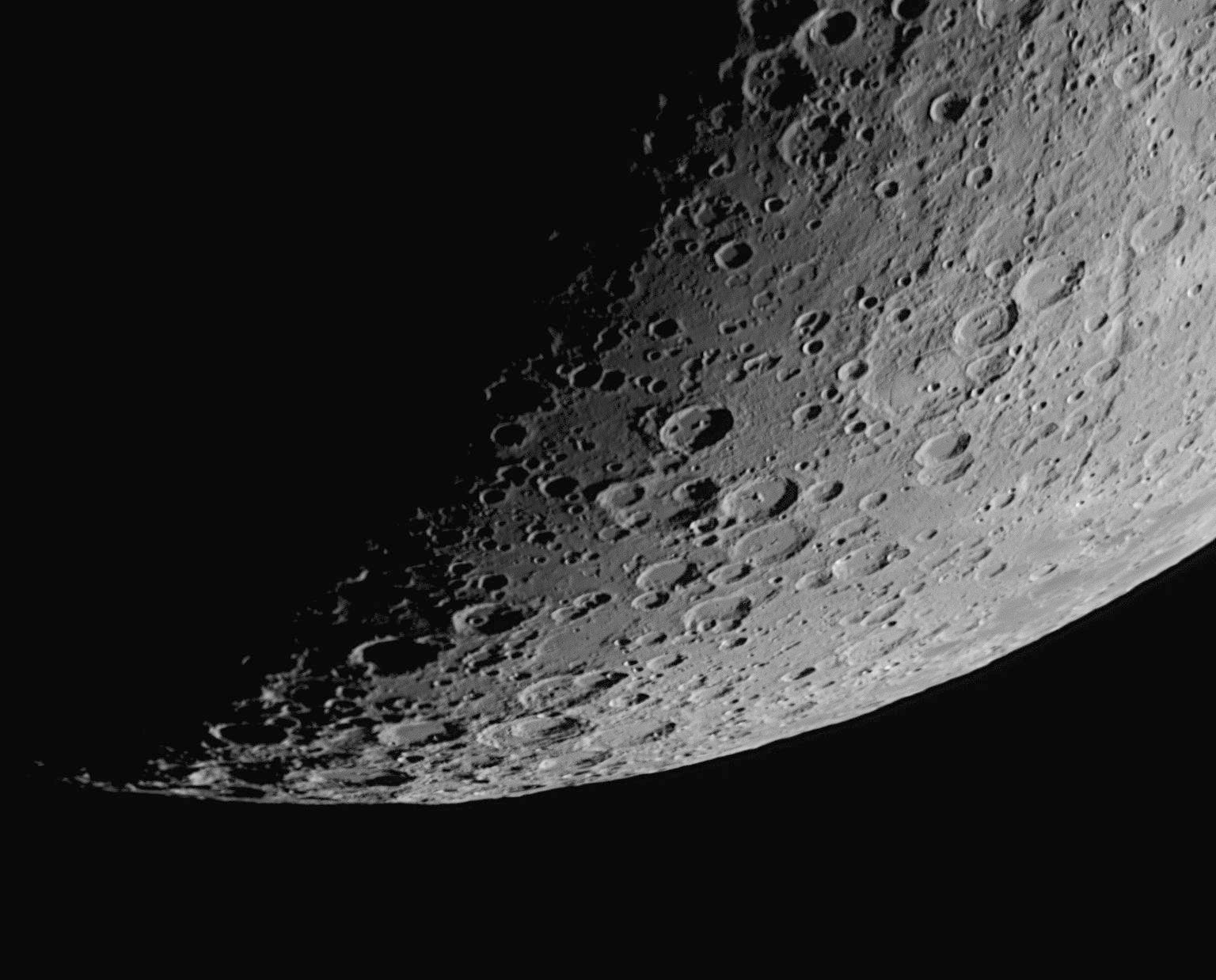
The seeing has been exceptional (for the UK) for the last few nights. This combined with the IR Pass filter seems to have helped to create the sharpset Moon photo I have ever made. Additionally, a monochrome camera was used and the combination appears to have made a significant improvement over similar images taken with a OSC camera. This is in fact two photos, the first being one of this evening’s shots of the illuminated Moon and the second another image with a different exposure…
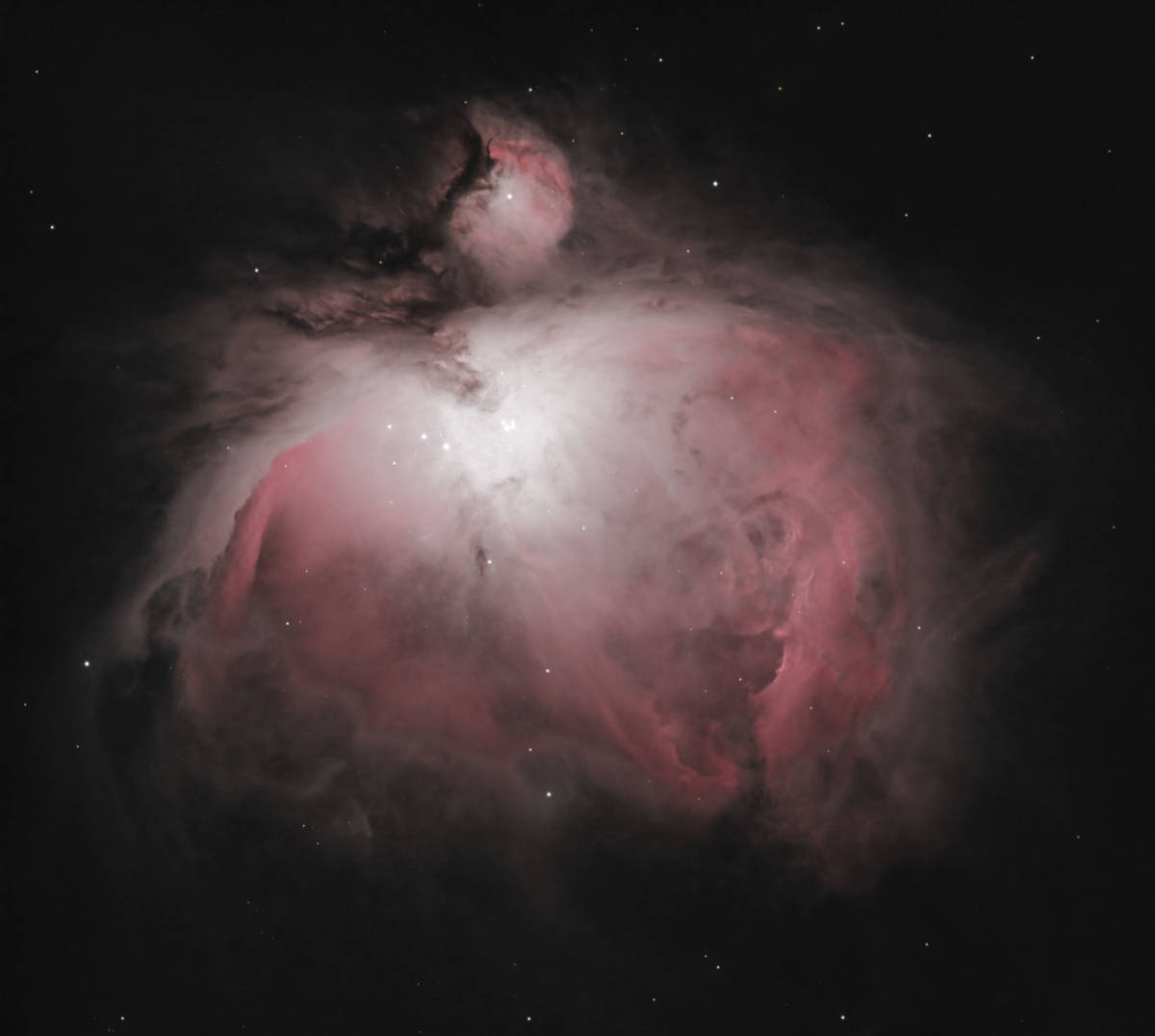
Orion will soon be gone from the sky for another season. I wanted to have a new attempt to produce a satisfactory photogrpah of the bright star-forming region around the Trapezium in the Great Orion nebula which is so bright that detail is very easily lost to over-exposure. The second challenge is to control this while simultaneously not losing signal in the much dimmer surrounding nebulosity. HDR methods are required so I used a series of 10-second exposures for the heart and 60 seconds for the…
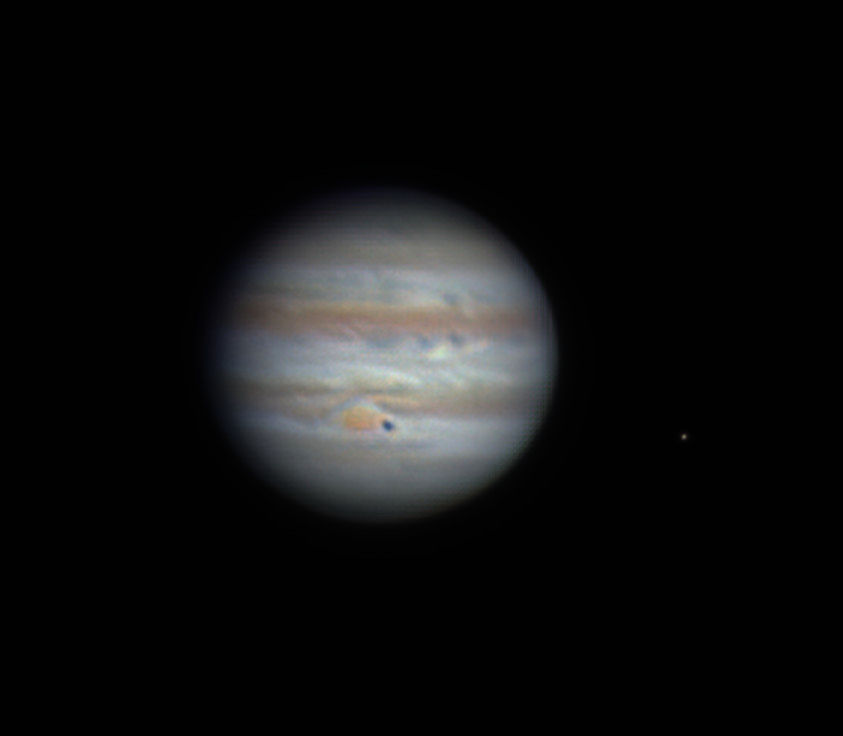
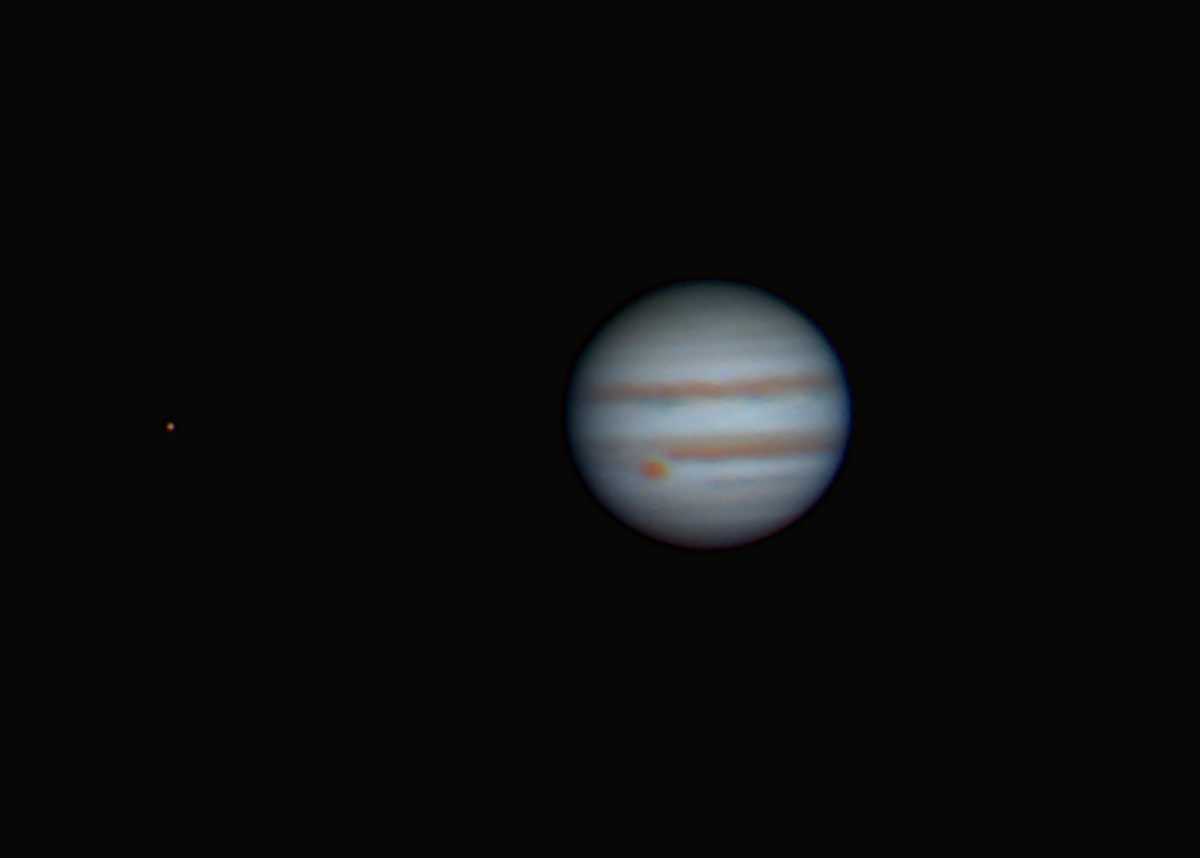
The sky conditions were remarkably good this evening though with some patchy cloud. The jet stream was slow for once after stormy weather yesterday and the planets showed plenty of detail. I was lucky to catch the Great Red Spot on Jupiter with a simultaneous shadow transit of Europa at 22h10.
    Integration time (running total):
    * OSC 85 X 120s (170m)
    * Total: 2h50m

    Integration time target
    * Target: 7 hours
    * Progress: 40%
Seeing index: Good (3)
Jet stream: Poor (30 m/s)
Transparency: Good (3)
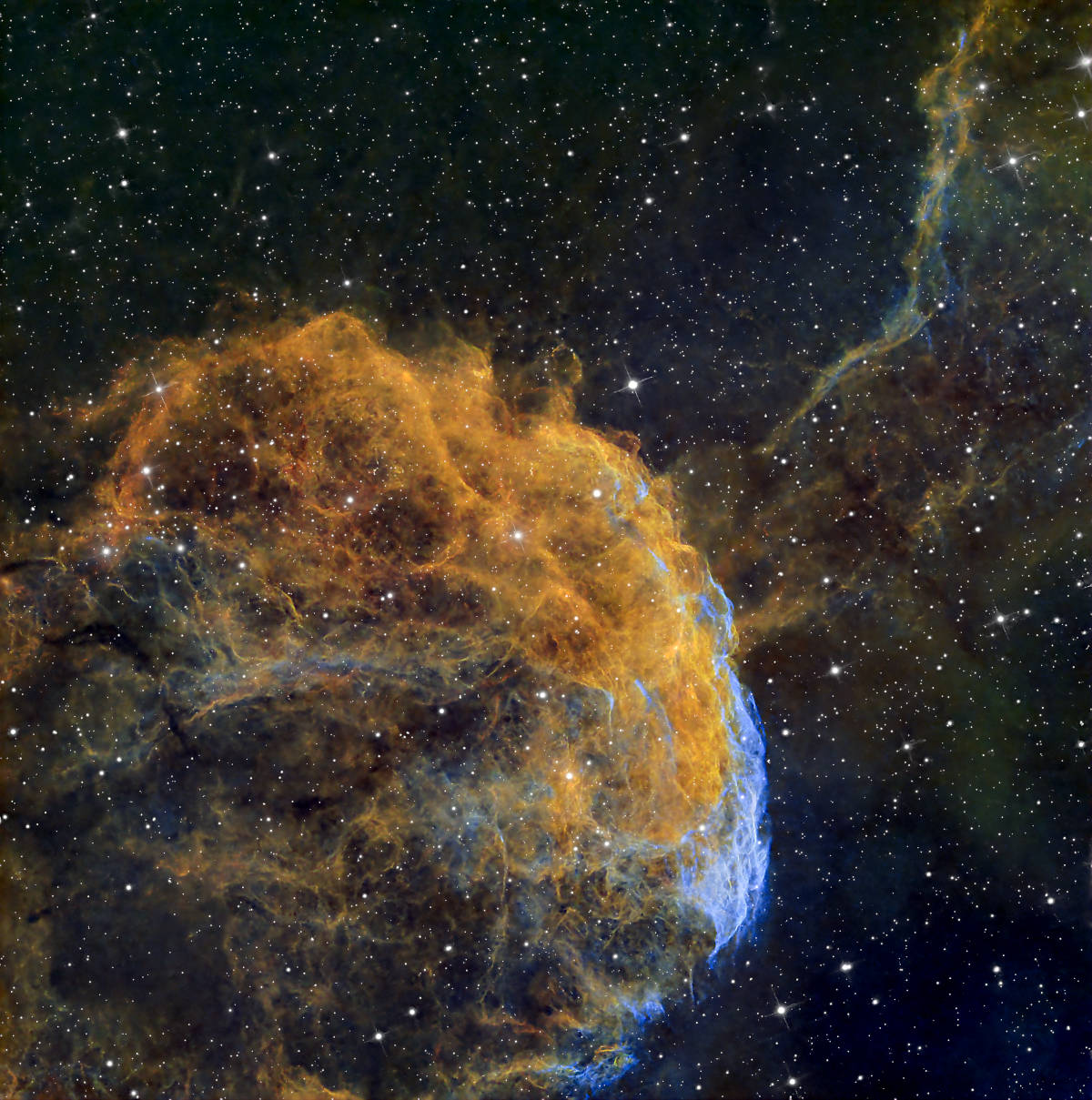
    Integration time (running total):
    * S 57 X 300s (285m)
    * H 54 X 300s (270m)
    * 0 51 X 300s (255m)
    * Total: 13h30m
Notes
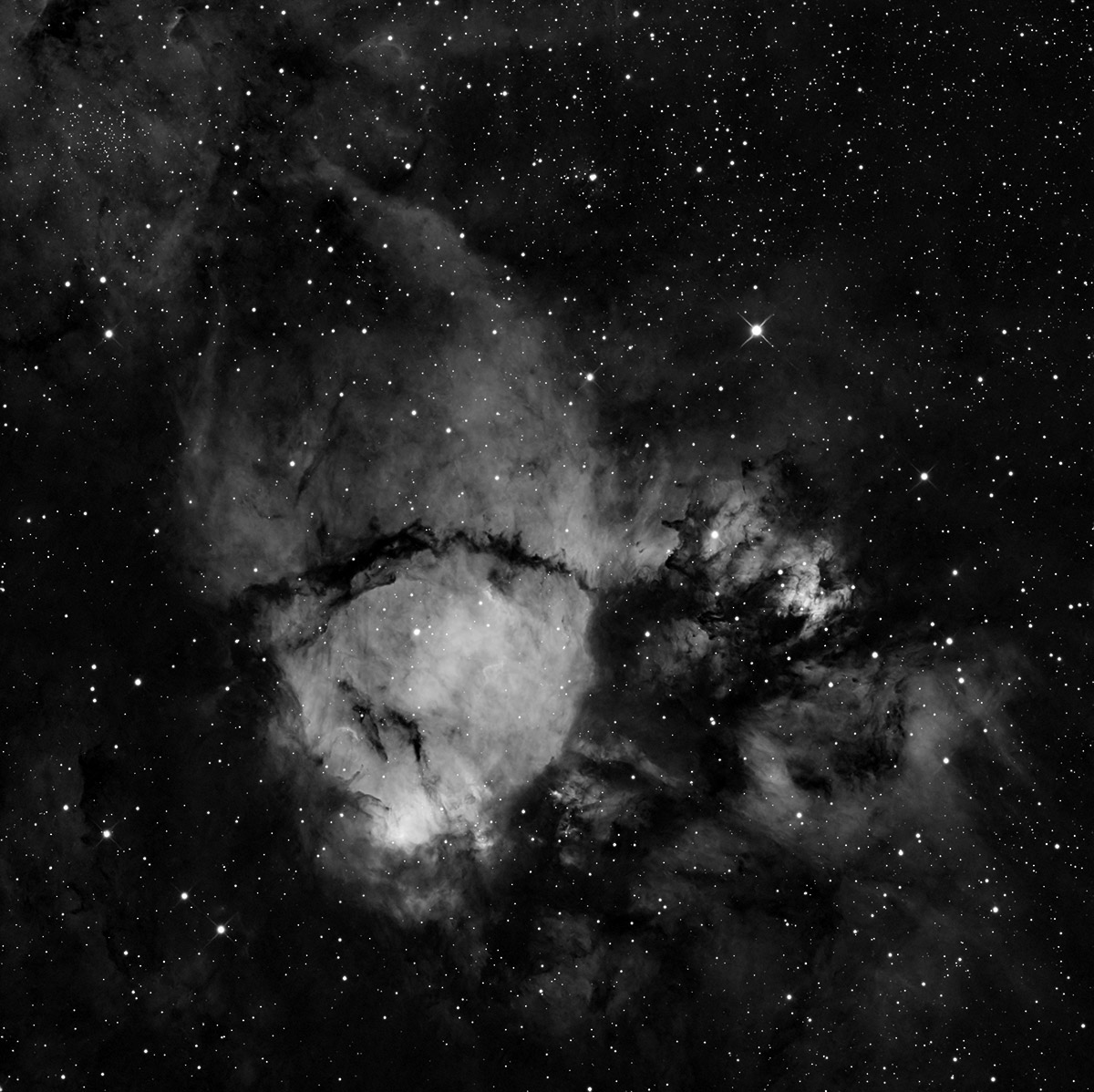
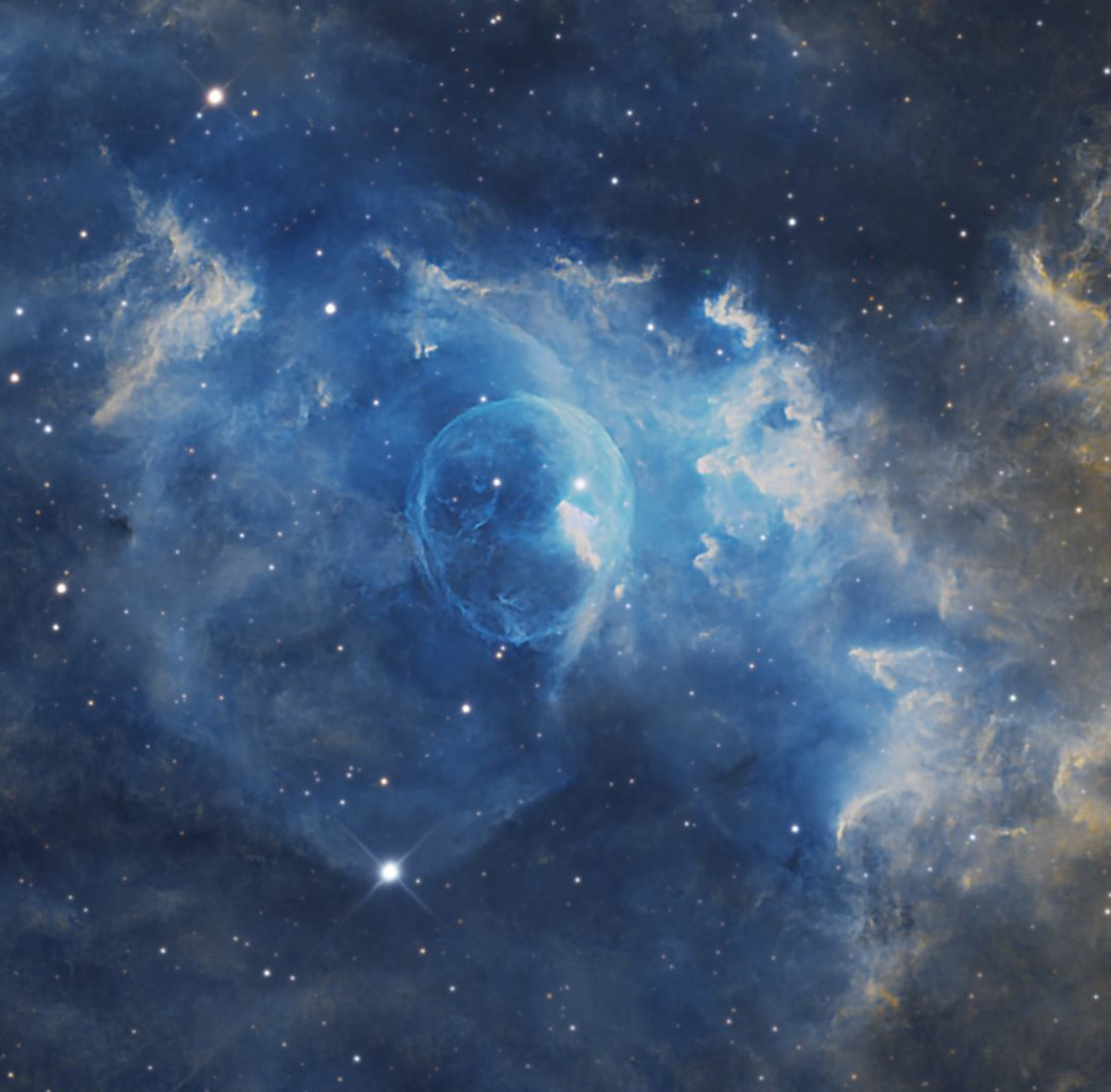
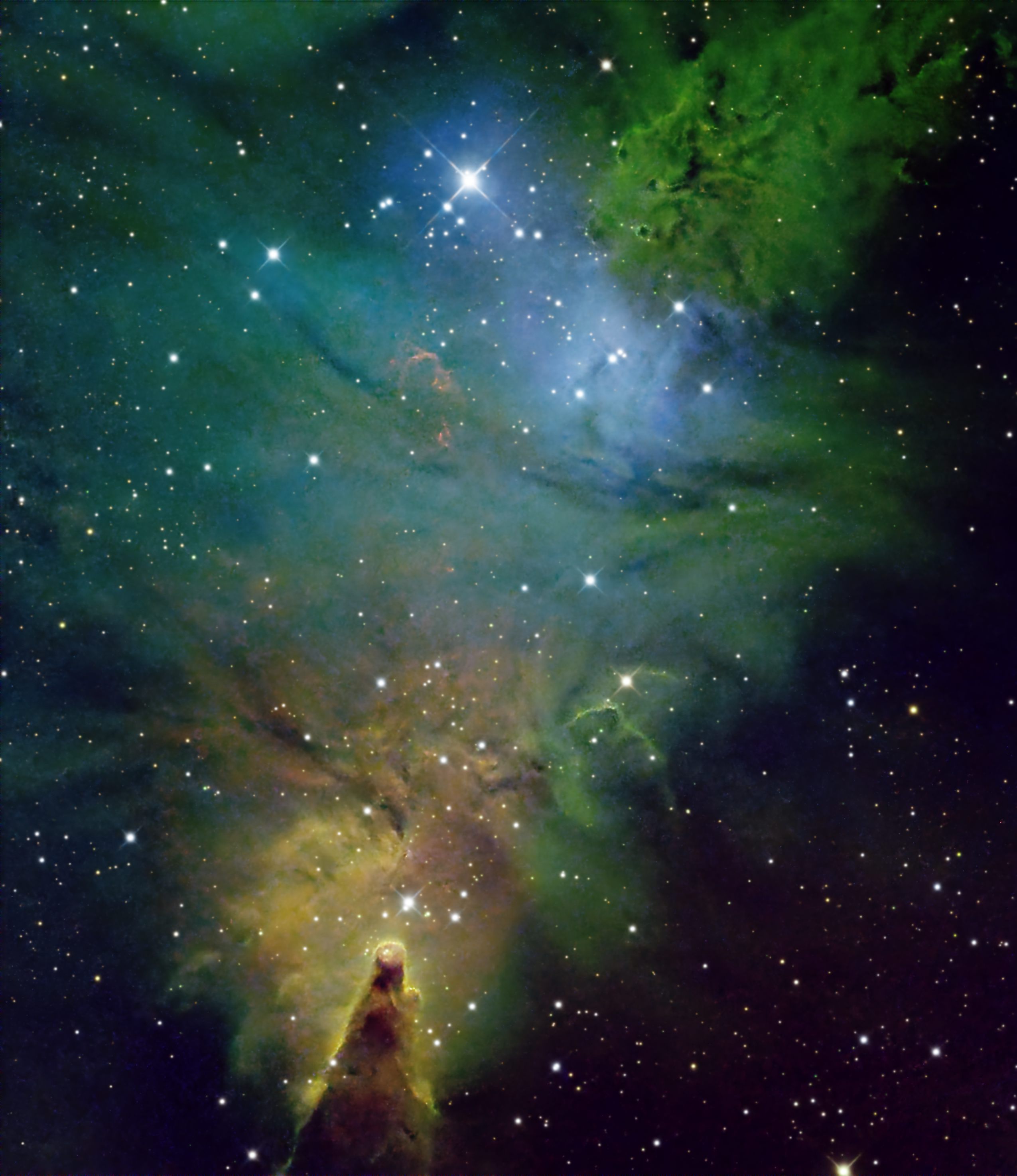
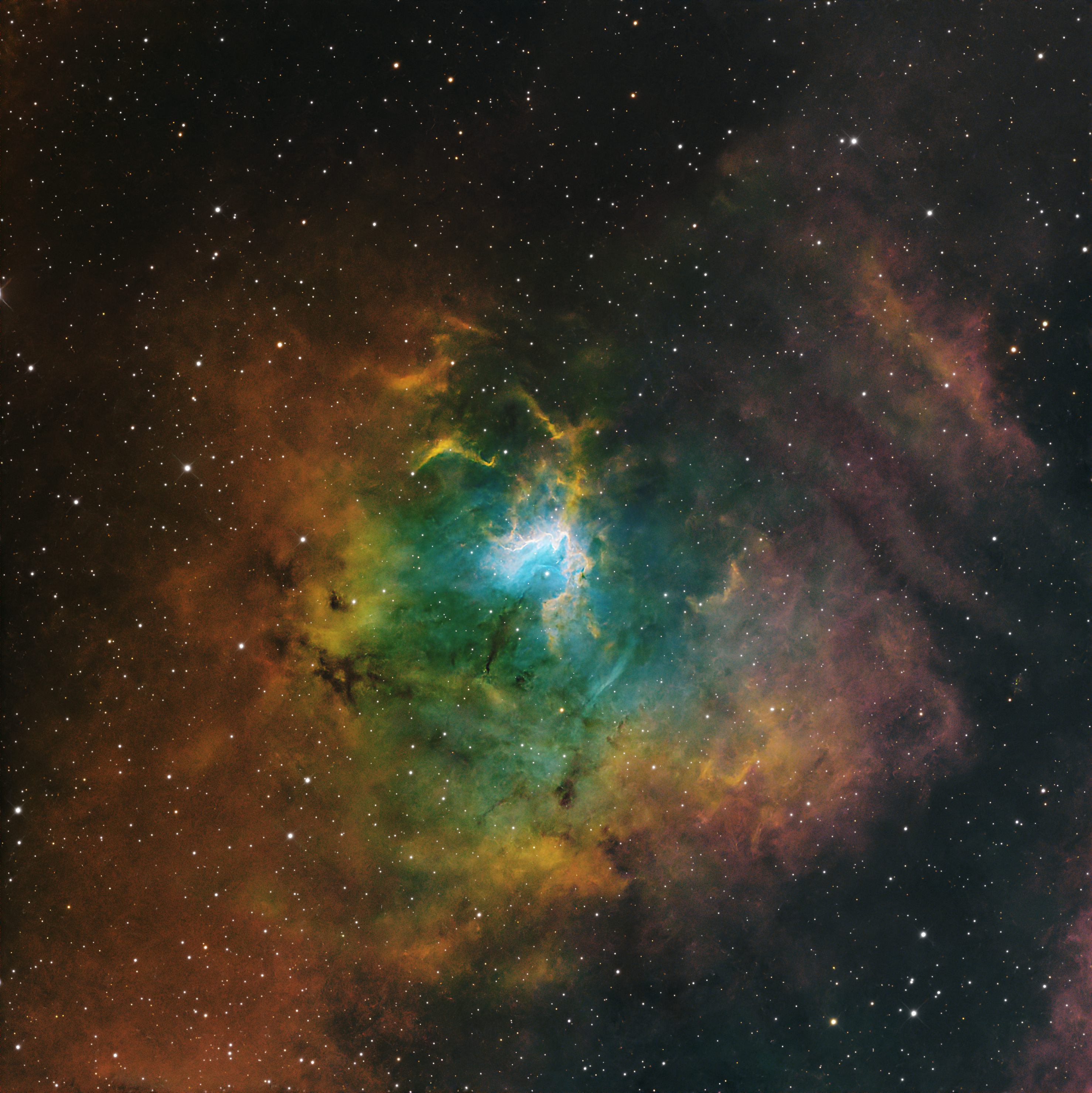
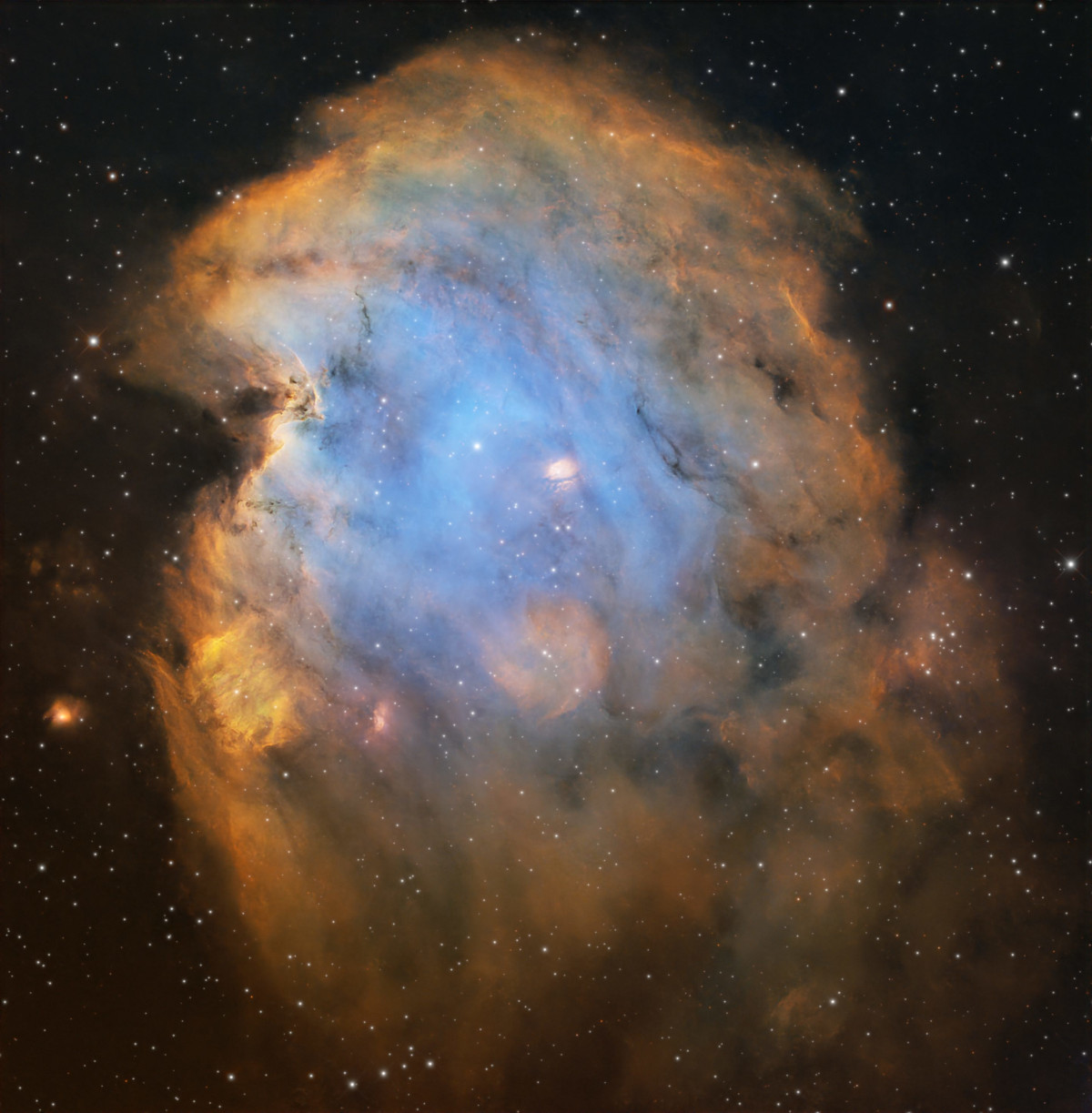
Imaged over the course of three nights and processed using the Hubble palette.
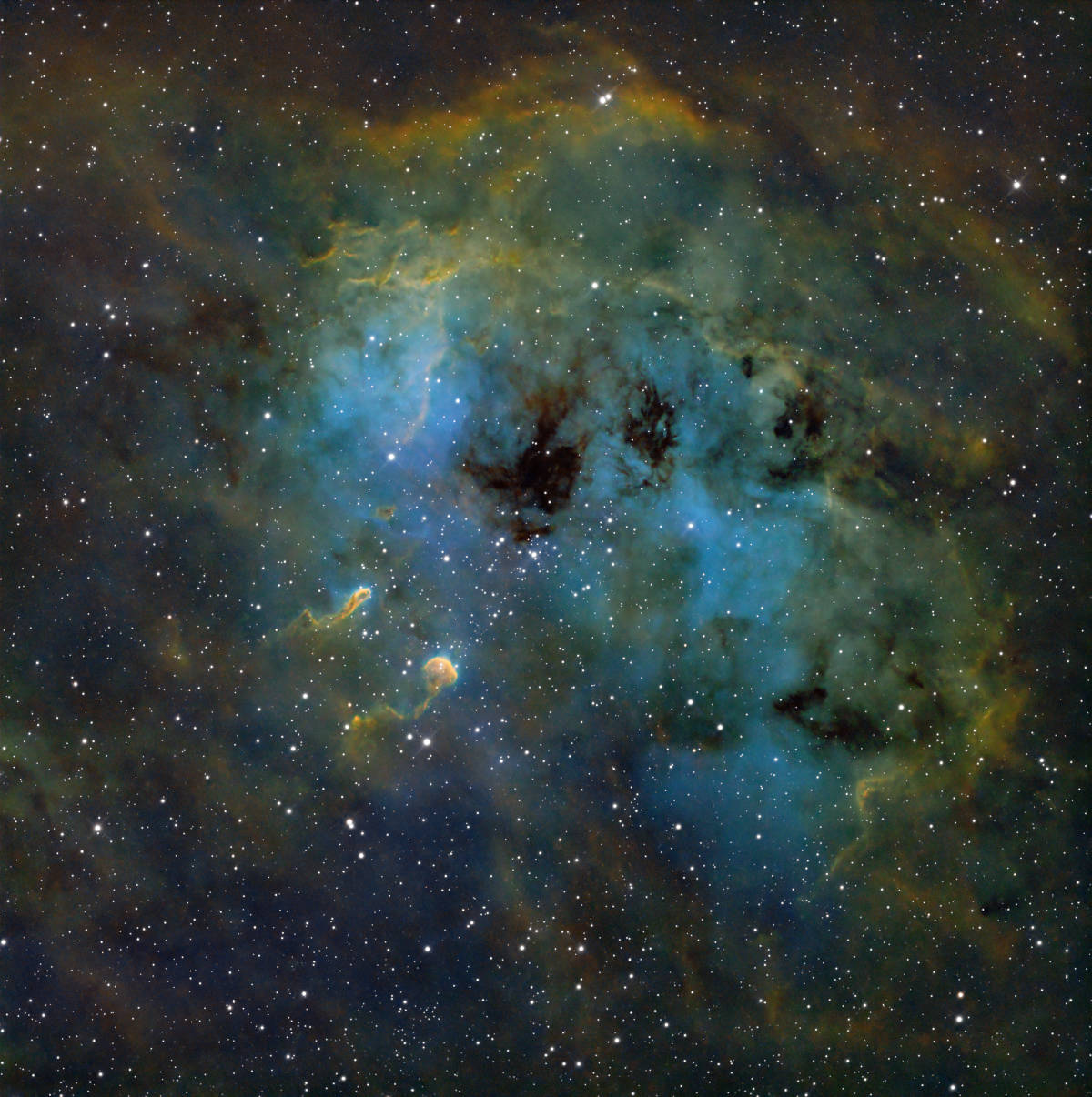
    Integration time (running total):
    * S 54 X 300s (270m)
    * H 53 X 300s (265m)
    * 0 51 X 300s (255m)
    * Total: 13h10m
Seeing index: OK (3)
Jet stream: Poor (40 m/s)
Transparency: Good (4)
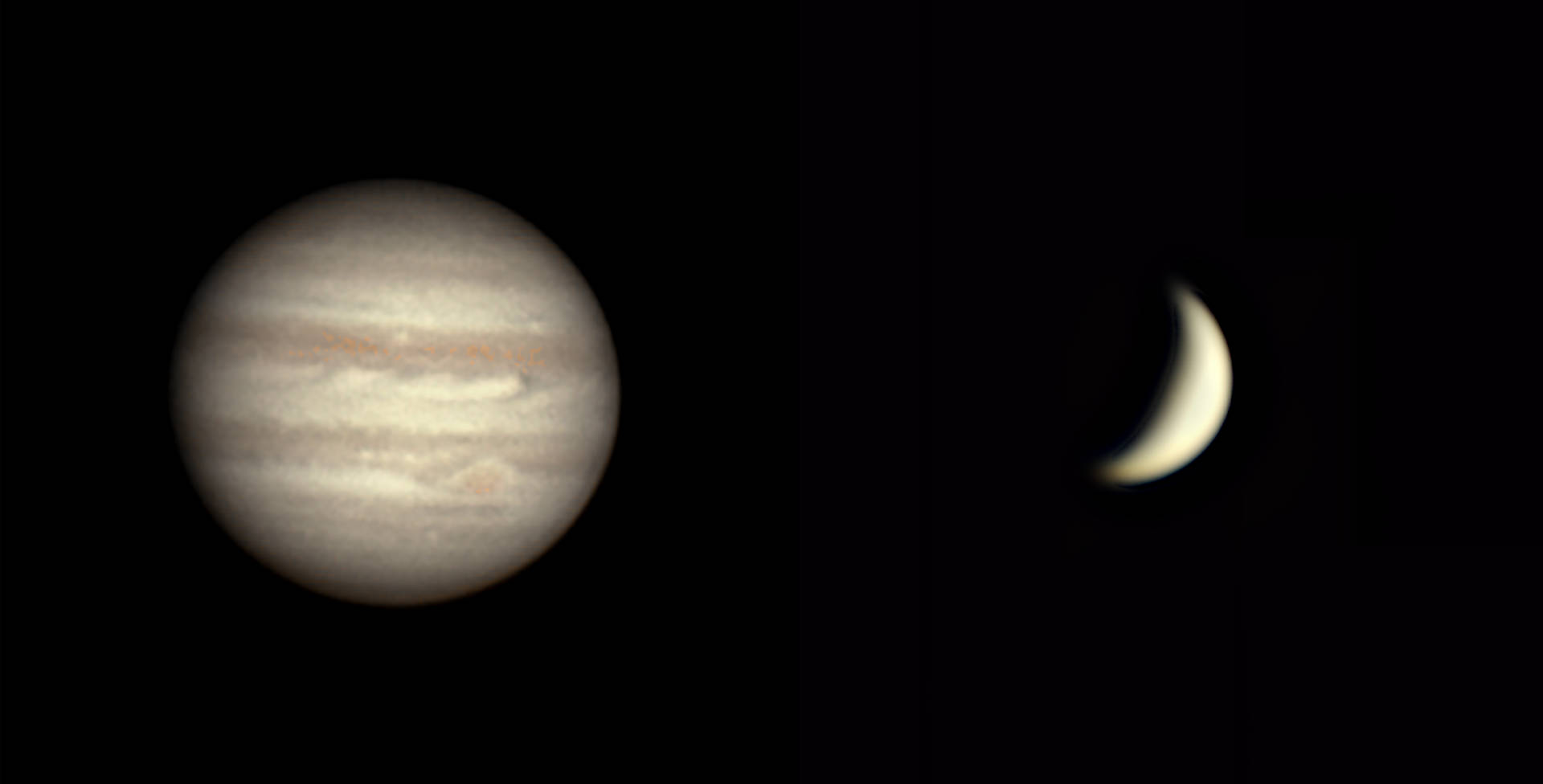
Seeing index: 3
Transparency: 2
Jet stream: Poor
Moon phase: 44%